(562) 400-4959 vsfoundation@outlook.com

Die Logistik der Heilung: Zwischen Versandhandel und Apothekenpflicht

WestOst Apotheke Versandhandel für Medikamente
Eigentlich war die Entscheidung schon vor Jahren gefallen: Bloße Verfügbarkeit reicht nicht mehr aus, wenn die Lieferketten haken. Wir reden oft davon, ob ein Medikament im Regal steht, aber die wahre Dynamik passiert in den Lagerhallen. Es sind die komplexen Logistikströme, die letztlich entscheiden, ob ein Patient seine Medikamente morgen oder erst in drei Wochen bekommt. Dabei geht es um weit mehr als nur den Transport von Kartons; es geht um die lückenlose Kühlkette bei Insulin, die temperaturgeführte Lagerung von Biologika und die präzise Just-in-time-Logistik für hochspezialisierte Onkologika.

Das ganze System ist fragil. Schaut man sich den WestOst Apotheke Versandhandel für Medikamente an, bewegt man sich in einem Feld zwischen extrem strengen Regulierungen und dem pragmatischen Wunsch nach schneller Lieferung. Der Markt ist eben kein einfacher digitaler Katalog, sondern ein hochgradig regulierter Logistiksektor, der durch Abgabeverordnungen, Apothekenbetriebsordnungen und strengste Hygienevorschriften definiert wird. Ein einfacher Fehler in der Dokumentation der Chargennummer kann dazu führen, dass eine ganze Lieferung stillgelegt wird, ein Risiko, das im hochgradig optimierten Umfeld kaum Spielraum lässt.

Das Paradoxon der Verfügbarkeit und die Realität der Lieferengpässe

In einer global vernetzten Welt könnte man meinen, die Versorgung müsse eigentlich reibungslos laufen. Die Realität sieht bei den aktuellen Engpässen aber oft anders aus. Es ist ein ständiger Kampf gegen die Zeit und gegen bürokratische Hürden, die manchmal schneller entstehen als die Medikamente selbst. Wir beobachten eine wachsende Diskrepanz zwischen der Nachfrage nach hochspezialisierten Therapien und der tatsächlichen Produktionskapazität der globalen Wirkstoffhersteller.

Besonders kritisch wird es bei den Liefer- und Versorgungsengpässen von Arzneimitteln in Deutschland. Das ist ein Thema, das sogar im Rahmen der Sicherheitsforschung diskutiert wird wie Michael Prost in einem BMBF-Workshop darlegte. Es geht nicht nur um fehlende Stoffe. Wenn die Kette reißt, von der Wirkstoffproduktion in Asien bis zur lokalen Apotheke –, steht die Versorgung still. Oft liegt die Ursache in der Monopolstellung weniger Fabriken in Indien oder China, die als einzige die Weltmarktanteile für bestimmte Vorstufen (APIs) halten. Ein einziger Streik in einem Hafen oder eine Umweltauflage in einer Produktionsregion führt so zu einem globalen Dominoeffekt.

Wenn die Lieferketten reißen, bleibt oft nur noch die Symptomlinderung. Es gibt zwar viele Ansätze, aber wie in NAKOS-Publikationen zur Entwicklung von Gesundheitswerten beschrieben, können viele Behandlungen momentan nur symptomorientiert lindern. Echte Heilmethoden oder spezifische Medikamente für neue Krankheitsbilder stecken meist noch in der Forschung. Diese Diskrepanz zwischen medizinischem Fortschritt und logistischer Lieferfähigkeit erzeugt eine enorme psychologische Belastung für Ärzte und Patienten gleichermaßen.

Das hat Auswirkungen auf den Versandhandel: Kunden suchen nicht mehr nur nach dem besten Preis. Primär ist ihnen wichtig, dass die Ware auch wirklich ankommt. Verlässlichkeit ist zur wichtigsten Währung geworden. Ein Liefertermin ist kein bloßes Versprechen mehr, sondern eine medizinische Notwendigkeit.

Warum die Logistik scheitert

  • Globale Abhängigkeit von Vorprodukten aus wenigen Produktionsstätten, was die Resilienz gegenüber geopolitischen Krisen minimiert.
  • Unvorhersehbare Transportverzögerungen bei internationalen Sendungen durch gestörte Luftfrachtkapazitäten oder Hafenblockaden.
  • Mangelnde Transparenz in der Lieferkette zwischen Großhandel und Endverbraucher, was eine präzise Vorhersage von Engpässen erschwert.
  • Strenge regulatorische Dokumentationspflichten, die bei Logistikfehlern zu sofortigen Lieferstopps führen können.

Demografie als Motor des Apothekenmarktes

Die Zahlen zur Altersstruktur sind eindeutig. Wir werden älter, und das verändert das Kaufverhalten und die Art der Arzneimittelbeschaffung massiv. Der Deutsche Alterssurvey, der sich mit der zweiten Lebenshälfte beschäftigt, zeigt deutlich, wie sich die Bedürfnisse verschieben. Mit steigendem Alter korreliert nicht nur die Anzahl der verschriebenen Medikamente, sondern auch die Komplexität der Logistikanforderungen.

Ältere Menschen haben meist einen komplexeren Medikationsplan. Da geht es nicht um das eine Ibuprofen gegen Kopfschmerzen, sondern um die tägliche Routine aus Blutdrucksenkern, Antikoagulanzien und Vitaminkombinationen. Diese Gruppe stabilisiert zwar den Markt, stellt aber auch die höchsten Anforderungen an die Zuverlässigkeit. Ein Fehler in der Lieferkette bedeutet hier nicht nur eine Unannehmlichkeit, sondern ein direktes Gesundheitsrisiko durch Unterversorgung.

Zielgruppe Bestellverhalten Hauptmotivationsfaktor
Jüngere Patienten Digital, spontan, oft rezeptfrei Preis und Geschwindigkeit
Ältere Patienten Hybrid (Apotheke & Versand), planbar Vertrauen und Vollständigkeit
Chronisch Kranke Abonnement-Modell, hochgradig planbar Kontinuität und Liefergarantie

Interessanterweise zeigt die Forschung, dass Ältere häufiger die klassische Apotheke vor Ort aufsuchen. Die physische Präsenz ist oft mit dem Einlösen von Rezepten gekoppelt, was die Apotheke zu einem sozialen Ankerpunkt macht. Neben der Rezepteinlösung ist sie oft Beratungszentrum und Treffpunkt zugleich. Hier spielt die Apotheke als “Gesundheitslotsen” eine Rolle, die ein rein digitaler Anbieter kaum leisten kann.

Hier sieht man die Koexistenz von Online-Versand und stationärem Handel. Während jüngere Leute beim West Ost Med den Komfort schätzen, bleibt der Gang zur Apotheke für viele ein fester Teil des Alltags. Es ist ein duales System, das nebeneinander existiert, ohne sich gegenseitig zu verdrängen. Der Online-Handel übernimmt die Effizienz bei Standardprodukten, während die Vor-Ort-Apotheke die emotionale und beratungsintensive Komponente übernimmt.

Rechtliche Grauzonen und der internationale Versand

Ein Thema, das immer wieder für Diskussionen sorgt, ist die Legalität. Viele Patienten fragen sich: Ist es legal, Arzneimittel ins Ausland zu versenden? Die Antwort lautet “Es kommt darauf an”, was die Sache nicht einfacher macht. Es kommt auf die Art des Medikaments, die Herkunft und die Einstufung des Landes an.

Die rechtlichen Rahmenbedingungen sind ein Dickicht aus nationalen Gesetzen und EU-Verordnungen. Innerhalb der EU ist der Versand unter bestimmten Bedingungen einfacher, da der Warenverkehr grundsätzlich frei ist, sofern die Zulassung in der EU vorliegt. Aber bei Sendungen aus Drittstaaten sieht es oft düster aus. Es gibt viele Angebote im Netz, die verlockend günstig wirken, aber bei der Einfuhr scheitern oder minderwertige Ware liefern.

Die Gefahren des unkontrollierten Imports

Es ist riskant. Man möchte Kosten sparen, aber wenn die Qualität der Wirkstoffe nicht garantiert ist, ist der Preisunterschied egal. Wir sehen immer wieder, dass Patienten versuchen, über internationale Bestellungen von Preisvorteilen zu profitieren. Dabei werden oft Sicherheitsmechanismen umgangen, die in der EU zwingend vorgeschrieben sind.

Dabei werden oft Sicherheitsmechanismen umgangen. Die Kontrolle der Lieferkette, die im regulierten deutschen Versandhandel Standard ist, entfällt beim privaten Import oft komplett. Das bedeutet:

  • Fehlende Prüfung auf Fälschungen (Counterfeit Drugs).
  • Unbekannte Lagerbedingungen (mangelnde Kühlung).
  • Fehlende Rückverfolgbarkeit bei Nebenwirkungen oder Rückrufen.

Das Risiko ist hoch.

Wenn die Ware an der Grenze gestoppt wird, ist das Geld oft weg und das Medikament kommt nie an. Das ist die harte Realität für alle, die das System umgehen wollen. Ein Medikament, das nicht über autorisierte Apotheken bezieht wurde, kann zudem chemisch instabil sein oder sogar toxische Verunreinigungen enthalten.

Die Rolle der Digitalisierung in der Apothekenlogistik

Um die oben genannten Probleme zu lösen, setzt die Branche massiv auf Digitalisierung. Es geht nicht mehr nur um die Website, sondern um die gesamte Backend-Logistik.

Smart Logistics und Predictive Analytics

Moderne Apotheken-Distributoren nutzen zunehmend Predictive Analytics, um Lieferengpässe vorherzusagen, bevor sie eintreten. Durch die Analyse von historischen Verkaufsdaten und aktuellen Trends können Warenbestände proaktiv erhöht werden. Ein weiteres wichtiges Feld ist die Automatisierung in der Kommissionierung. Roboter in den Großlagern minimieren die Fehlerquote beim Packen von Medikamenten, was besonders bei der Unterscheidung von ähnlich aussehenden Packungen (Look-alike/Sound-alike-Problematik) entscheidend ist.

Zudem wird die Blockchain-Technologie als Konzept diskutiert, um die lückenlose Rückverfolgbarkeit von Wirkstoffen über alle Kontinente hinweg zu gewährleisten. Dies würde das Vertrauen in internationale Lieferketten stärken und den illegalen Handel erschweren, da jeder Schritt der Produktion digital signiert wäre.

Preisgestaltung und der Einfluss von Parallelimporten

Ein Blick auf die historische Entwicklung der Arzneimittelausgaben macht deutlich, wie sensibel die Preisgestaltung ist. Laut dem Arzneimittel-Atlas aus dem Jahr 2012 blieben die Arzneimittelausgaben mit etwa 1,3 % im Vergleich zu anderen Ausgabenposten eher gering, was oft mit der Regulierung durch die Festbeträge erklärt wird. Diese Festbeträge dienen dazu, das Ausgabenniveau der Krankenkassen stabil zu halten, schränken aber die preisliche Flexibilität der Apotheken ein.

Parallelimporte spielen eine Rolle, aber nicht so, wie viele denken. Sie können zwar zu Zuzahlungen führen oder die Preise beeinflussen, sind aber nicht der alleinige Grund für die Entwicklung. Vielmehr ist es das Zusammenspiel aus Rabattverträgen der Krankenkassen und den Festbeträgen, das den Markt diktiert. Krankenkassen schließen Verträge mit bestimmten Herstellern ab, die dann im Rahmen von Rabattverträgen bevorzugt abgegeben werden müssen.

Es ist ein ständiges Tauziehen zwischen Herstellern, Krankenkassen und Apotheken. Der Versandhandel bewegt sich in einem sehr engen Korridor. Er kann die Preise nicht einfach wie bei Amazon senken, da die Preisbindung für verschreibungspflichtige Medikamente absolut ist.

Die Marge ist klein.

Deshalb konzentrieren sich viele Versandhändler auf den Bereich der frei verkäuflichen Arzneimittel (OTC). Dort ist der Wettbewerb härter, aber die Margen erlauben es, durch effiziente Logistik und digitale Angebote zu punkten. In diesem Segment ist die Logistik oft der entscheidende Wettbewerbsvorteil: Wer kann ein Produkt innerhalb von 24 Stunden liefern, während der Konkurrent drei Tage benötigt?

Am Ende bleibt die Erkenntnis: Der Versandhandel wird die Apotheke nicht ersetzen, aber er hat die Art und Weise, wie wir über Verfügbarkeit denken, massiv verändert. Es geht nicht mehr nur darum, ob ein Medikament existiert, sondern wie schnell es in der richtigen Form und Qualität bei uns ankommt. Die Logistik ist das Herzstück der modernen Medizin.

Häufige Fragen

Ist es legal, Arzneimittel ins Ausland zu versenden?

Der Versand von Medikamenten ins Ausland unterliegt strengen rechtlichen Bestimmungen der jeweiligen Länder und darf nur durch zertifizierte Versandapotheken erfolgen.

Wie kann ich internationale Medikamente bestellen?

Sie können Medikamente über spezialisierte Versandapotheken wie WestOst bestellen, indem Sie das Sortiment online durchsuchen und den Bestellvorgang abschließen.

Was muss ich beim Import von Medikamenten beachten?

Achten Sie auf die geltenden Einfuhrbestimmungen und benötigen Sie unter Umständen ein ärztliches Rezept für rezeptpflichtige Präparate.

Wie lange dauert die Lieferung im internationalen Versand?

Die Lieferzeit variiert je nach Zielland und Versandart, liegt aber in der Regel bei wenigen Werktagen bis zu zwei Wochen.

Sind die Medikamente in der WestOst Apotheke sicher?

Ja, alle Medikamente stammen aus geprüften Quellen und unterliegen den strengen Qualitätsstandards der Apothekenaufsicht.

Navigating Emergency Cash Options in Wisconsin

Emergency loans in Wisconsin
Where can you get an emergency loan right now? The answer really depends on how much cash you need and how long you’re willing to wait. If your transmission just blew out on I-94 or your fridge quit working in a Milwaukee apartment, you probably need liquidity within hours, not weeks.

In the Wisconsin lending market, speed and cost are on opposite ends of a seesaw. You can get money almost instantly, but you’ll pay for that speed through high interest rates or collateral requirements. On the flip side, you can find low-interest or even zero-interest options, but the eligibility requirements are a lot tougher.

Most people in a crisis aren’t looking for a long-term financial plan; they’re just trying to survive the next seventy-two hours. Knowing how Wisconsin’s lending tiers work is the only way to avoid a debt spiral while solving a temporary cash gap.

The Immediate Liquidity Tier: Fast Cash and High APRs

When an emergency hits, the clock is the enemy. For many, the first instinct is to look for a local storefront or an online lender promising same-day or next-day funding. These providers often specialize in “bad credit” scenarios, which means they care more about your current income stream than your FICO score.

Lenders like Advance America offer personal and emergency options that can provide between $200 and $5,000. These loans are designed for speed, and they often provide transparency regarding terms to avoid the “gotcha” moments common in the payday industry. This is the “bridge” option for people who know they’ll have money next month but can’t wait until payday to fix a leaking pipe.

However, speed comes with a heavy price tag. The cost of capital in this sector is high. For instance, Leap Credit provides online installment loans in Wisconsin that feature an APR range between 587% and 795%. This isn’t a loan you take out to buy a car; it’s a loan you take out to prevent an eviction or a utility shut-off.

Lender Type Typical Amount Speed of Funding Primary Trade-off
Short-term Installment $250 – $5,000 Same-day to 24 hours Extremely high APR
Title Loans Variable Immediate Collateral risk (Vehicle)
Personal Loans Up to $5,000 1-3 business days Credit score dependent

If you end up in this tier, the math has to be brutal and honest. You’re essentially buying time. If you borrow $500 for a car repair that lets you get to work, the high interest is just a cost of doing business. If you borrow $500 for a luxury item you didn’t need, you’re making a catastrophic financial error.

Collateral-Based Borrowing and Credit Limitations

For those with bruised credit scores, traditional bank loans are usually a non-starter. This is where “asset-based” lending comes in. In Wisconsin, title loans are a common way to access cash when the bank says no. These loans use your vehicle as security for the debt.

Wisconsin Auto Title Loans, Inc. handles these types of requests, specifically catering to those who need emergency cash despite having bad credit. Because the lender has a legal claim to your vehicle if you default, they’re willing to overlook a low credit score. It makes it an accessible option, but it carries the risk of losing your primary way to get around.

The mechanics of these loans are straightforward but dangerous if you mismanage them. You provide the title, they provide the cash. If you can’t pay it back, they take the car. It’s a high-stakes gamble.

  • Title Loans: Fast access using vehicle equity.
  • Installment Loans: Fixed payments over a set term.
  • Payday Loans: Short-term, high-interest, often due on next payday.

Take, for example, a worker in Eau Claire who faced a $400 medical bill. They couldn’t wait for a standard loan approval, so they used a small title loan. They paid it off in six weeks, but the total cost ended up being nearly double the original amount because of the interest structure. It solved the immediate problem, but the “cost of convenience” showed up in their bank statement for months.

It’s a hard choice.

State-Assisted Options and Employment-Linked Support

Not all emergency cash in Wisconsin is predatory. The state offers specific programs designed to stop a temporary crisis from becoming a permanent downward spiral. These are typically tied to employment status or existing social safety nets.

The most notable example is Job Access Loans (JAL). These aren’t your typical high-interest products. Instead, JALs are short-term, no-interest loans designed to assist eligible individuals to meet emergency needs that support employment. This might include a car repair needed to get to a job or a sudden childcare expense that would otherwise cause a parent to miss shifts.

These loans are meant to be a ladder, not a trap. They exist because the state recognizes that a $200 car repair can be the difference between staying employed or falling into long-term poverty.

The eligibility for these programs is much narrower than commercial lending. You can’t just apply because you want a new phone. You generally need to be part of a specific program, like W-2, and the expense must be directly tied to your ability to keep your job.

If you’re looking for an immediate solution through these channels, you won’t find them at a 24/7 online portal. You’ll have to deal with state agencies, which involves paperwork and verification of your specific circumstances. It is slower, but it is infinitely cheaper.

Digital Lenders and the Rise of Online Applications

The way people borrow has shifted toward the digital space. You no longer have to drive to a storefront in a strip mall to find a lender. In many cases, the whole process, from application to funding, happens on a smartphone.

Providers like Max Cash® allow for 24/7 online applications. For many, this is the only viable option because emergencies don’t happen during 9-to-5 business hours. They offer smaller amounts, typically between $250 and $500, meant for quick, small-scale emergencies.

Online lenders often use automated underwriting. This means their algorithms look at your bank transactions and income frequency rather than just a static credit score. This is why they can often approve people who would be rejected by a traditional credit union.

However, the convenience of a “fully online application” can be a double-edged sword. It’s very easy to click “accept” on terms that are hard to read when you’re stressed and in a rush. You should always check for:

  • The exact APR (Annual Percentage Rate).
  • The total amount you will have paid back by the end of the term.
  • The penalties for late payments.
  • Whether there are any prepayment penalties if you try to pay the loan off early.

A quick check on Wiscloans or similar resources can help you compare these digital offerings before you hit the final “submit” button.

Evaluating the Real Cost of Emergency Capital

Before you take out any loan in Wisconsin, do the math. Most people only look at the monthly payment. A $50 monthly payment sounds manageable. They forget to look at the term. If that $50 payment is required every week for six months, you’re paying $300 a month for a $300 loan. That is a mathematical disaster.

You need to distinguish between a “loan” and a “debt trap.” A loan is a tool used to bridge a gap. A debt trap is a cycle where you take out a new loan to pay off the old one.

If you’re choosing between a personal loan from a credit union and an installment loan from an online lender, the credit union is almost always the better choice if you qualify. Even if their approval takes three days instead of three hours, the thousands of dollars saved in interest are worth the wait.

If you find yourself in a position where you must take a high-interest loan, have a repayment plan ready before the money hits your account. Don’t wait until the first installment is due to figure out where the money is coming from.

Always verify the lender’s physical presence or their registration with the state to ensure you aren’t dealing with an unregulated entity.

Check your bank statements for any recurring “service fees” that aren’t explicitly mentioned in your initial agreement.

Die Grauzone der Potenzmittel: Cenforce und der deutsche Markt für Sildenafil

Rezeptfreier Kauf von Cenforce in Deutschland

Viele Männer denken, sie müssten für Potenzmittel wie Cenforce in Deutschland unbedingt zum Urologen, um ein Rezept zu bekommen. Das stimmt zwar für den offiziellen Weg über die Apotheke vor Ort, aber der digitale Markt sieht ganz anders aus. Wer heute im Netz sucht, findet sofort Angebote, die eine Lieferung ohne jede ärztliche Untersuchung versprechen.

Die Lage ist eigentlich ziemlich komplex. Die deutsche Apothekenregulierung ist zwar streng, aber viele Anbieter operieren einfach in einer Grauzone oder nutzen den internationalen Versand. Am Ende wollen die Nutzer meistens das Gleiche: Diskretion und Schnelligkeit, ohne dass ein Arzt die Lebensumstände oder die körperliche Eignung im Detail prüfen muss.

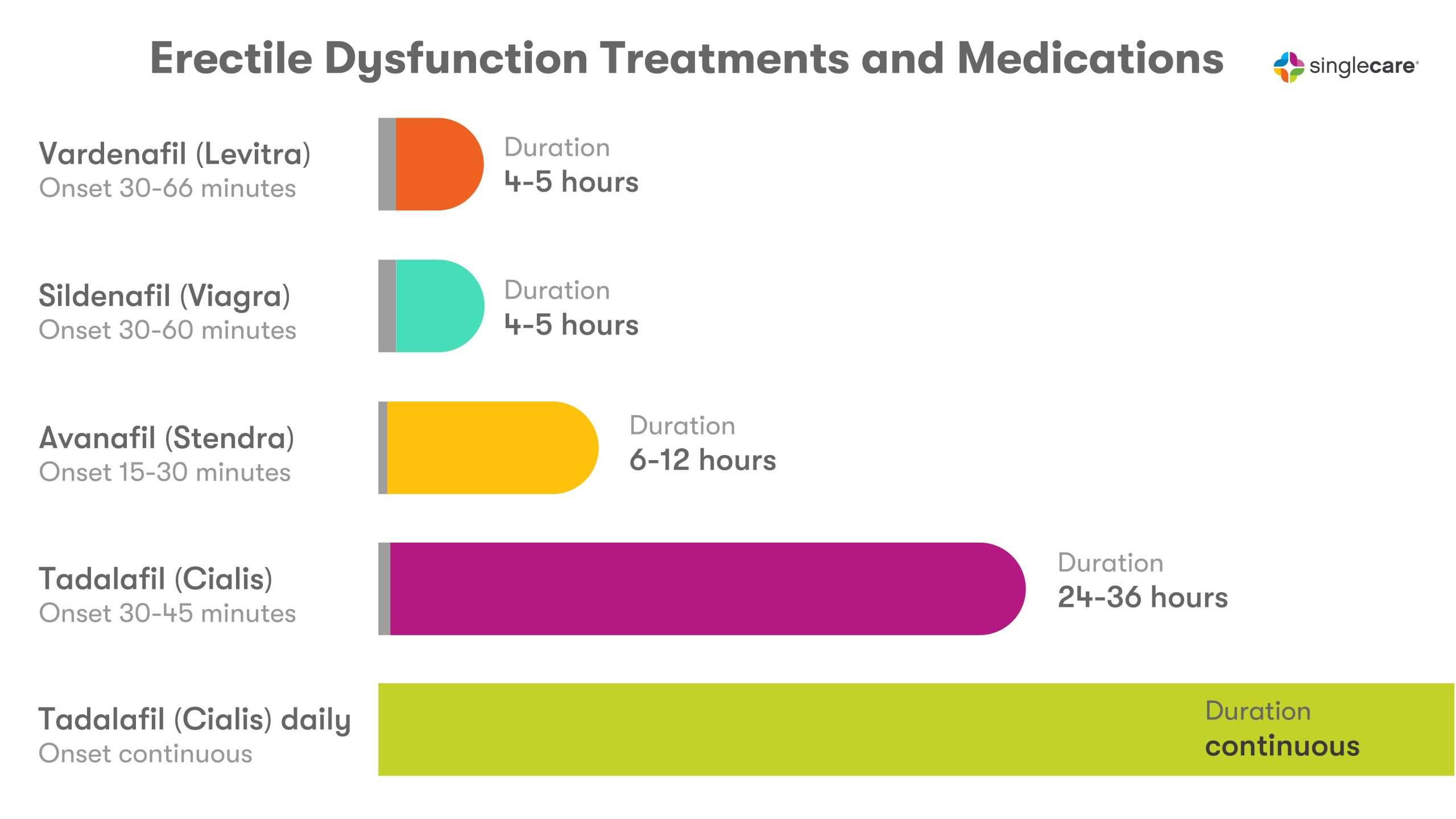
Meistens geht es um Wirkstoffe wie Sildenafil, der weltweit in unzähligen Dosierungen und Marken gehandelt wird. Das ist ein riesiger Markt, der weit über Deutschlands Grenzen hinausgeht. Da die Preise für Originalpräparate extrem hoch sind, ist die Nachfrage nach Alternativen massiv gestiegen.

Der Markt für Generika und die Logistik der Diskretion

Wer Probleme mit Erektionsstörungen hat, steht oft vor der Wahl: Das teure Markenprodukt oder die günstigeren Generika. Cenforce ist ein Name, der in Foren und Suchergebnissen ständig auftaucht. Es ist ein Generikum mit Sildenafil, das man in verschiedenen Stärken bekommt, von 50mg über 100mg bis hin zu 200mg.

Viele Kunden suchen gezielt danach, cenforce rezeptfrei kaufen zu können, um den Papierkram und den Arztbesuch zu umgehen. Die Logistik dahinter ist oft spezialisiert. Es geht nicht nur um die Pille selbst, sondern darum, dass das Paket so verpackt ist, dass man beim Absender nicht sofort auf den Inhalt schließen kann.

Die Anbieter werben massiv mit schnellem Versand und der Option, per Nachnahme zu bezahlen. Das senkt das Risiko für den Käufer, weil man erst bei Erhalt der Ware zahlt. Dieser psychologische Trick funktioniert in dieser Branche sehr gut. Anonymität ist hier das Wichtigste für die Kunden.

Bei den Preisen gibt es enorme Unterschiede. In einer deutschen Apotheke zahlt man wegen der hohen Margen und der Rezeptpflicht deutlich mehr. Internationale Webshops hingegen locken mit Paketen, die bei einer Bestellung von 59 Einheiten einen massiven Preisvorteil bieten. Wer sich die Preise einmal genauer anschaut, sieht den krassen Unterschied zu den lokalen Apotheken.

Produktvariante Häufige Dosierung Marktcharakteristik
Cenforce Standard 100 mg Häufigstes Generikum
Cenforce High Dose 200 mg Für intensive Anforderungen
Sildenafil Generika 50 mg / 150 mg Günstige Einstiegsvarianten

Ein Problem bleibt aber die Qualität. Wer online ohne Rezept bestellt, muss darauf vertrauen, dass der Anbieter hält, was er verspricht. Es gibt keine Garantie, dass die Wirkstoffmenge wirklich so hoch ist, wie es auf der Packung steht.

Wirkmechanismen und die Vielfalt der Sildenafil-Varianten

Sildenafil ist ein PDE5-Hemmer. Das klingt kompliziert, bedeutet aber eigentlich nur, dass es die Durchblutung des Penis unterstützt. Es verhindert den Abbau von Botenstoffen, die dafür sorgen, dass sich die glatte Muskulatur entspannt. Im Grunde geht es um die Steuerung der Blutgefäße.

Es gibt dabei nicht nur die eine Variante. Die Produktion hat eine Bandbreite geschaffen, die für Laien oft verwirrend ist. Man findet Sildenafil 50mg, 100mg oder sogar die extrem hohen 200mg-Tabletten. Die Wahl der Dosis ist wichtig, aber ohne ärztliche Begleitung auch riskant.

Ein Nutzer berichtete mal, dass er Cenforce 100 rezeptfrei seit Jahren erfolgreich nutzt, was zeigt, wie beliebt diese Präparate bei Männern sind. Cenforce 100 rezeptfrei kaufen ist für viele die Lösung für ein Problem, das sie lieber nicht beim Arzt ansprechen wollen. Die Angst vor der Stigmatisierung ist oft größer als die Sorge vor der Selbstmedikation.

Es ist ein Unterschied, ob man ein Medikament nimmt, das die Lust steigert, oder ob man versucht, die körperliche Reaktion gezielt zu steuern, nur um eine Erektion zu bekommen. In der Werbung wird diese Nuance oft ignoriert. Die Chemie ist zwar eindeutig, aber die Reaktion ist bei jedem Menschen anders. Manchmal wirkt es sofort, manchmal gar nicht.

Ein weiteres Thema sind Mischungen. Oft werden nicht nur reine Sildenafil-Produkte verkauft, sondern Kombis mit Tadalafil oder Avanafil. Solche Mischungen sind rechtlich und medizinisch problematisch, weil sie unvorhersehbare Wechselwirkungen mit anderen Medikamenten, zum Beispiel für das Herz, haben können.

Risiken der Grauzone: Qualität und rechtliche Lage

Wer auf dem internationalen Markt einkauft, bewegt sich rechtlich in einer Grauzone. In Deutschland ist der Verkauf von verschreibungspflichtigen Medikamenten ohne Rezept verboten. Das gilt auch für den Import. Viele Händler sitzen deshalb in Asien oder Osteuropa, um die deutsche Justiz zu umgehen.

Das Risiko für den Käufer ist zweigeteilt. Erstens die Qualität: Es gibt Berichte über Tabletten, die gar keinen oder viel zu viel Wirkstoff enthalten. Zweitens die Reinheit. Verunreinigungen durch Fehler in der Produktion sind in Fabriken, die nicht nach strengen GMP-Standards arbeiten, keine Seltenheit. Es ist also ein gewisses Glücksspiel.

Auch der Zoll ist ein Thema. Wenn ein Paket abgefangen wird, wird die Ware meist vernichtet. In extremen Fällen kann es sogar Ärger mit den Behörden geben, auch wenn das bei kleinen Mengen im Privatbesitz selten passiert. Es bleibt ein Katz-und-Jäger-Spiel zwischen Zoll und Online-Händlern.

Man muss der Realität ins Auge sehen: Wer billig kauft, zahlt oft drauf, im schlimmsten Fall mit der Gesundheit. Es ist eine Gratwanderung zwischen der gewünschten Diskretion und der Sicherheit durch einen Arzt. Anonymität ist verlockend, schützt aber nicht vor den Folgen einer Überdosierung.

Es gibt tatsächlich Fälle, in denen Patienten Medikamente nehmen, die chemisch gar nicht dem entsprechen, was draufsteht. Das kann zu massiven Blutdruckabfällen führen. Das ist kein theoretisches Risiko, sondern eine reale Gefahr bei der Selbstmedikation aus unsicheren Quellen.

Die ökonomische Dynamik des globalen Marktes

Warum ist dieser Markt so riesig? Die Antwort ist simpel: die Ökonomie. Die Produktionskosten für Generika wie Cenforce sind minimal verglichen mit den Preisen, die die großen Pharmakonzerne im Westen verlangen. Diese Differenz treibt das ganze Geschäft an.

Ein Anbieter kann Cenforce 150mg extrem günstig anbieten, während das Original Viagra in Deutschland ein Vermögen kostet. Die Nutzer reagieren sehr preisbewusst. Für viele ist die Ersparnis der entscheidende Faktor, der die Risiken des Online-kaufs überwiegt. Am Ende ist es eine Kosten-Nutzen-Rechnung, bei der die Gesundheit oft zweitrangig behandelt wird.

Die Anbieter nutzen alle Werkzeuge: SEO sorgt für Sichtbarkeit bei Google, die Lieferzeiten sind optimiert und die Zahlungsmethoden passen genau zur Zielgruppe. Das ist ein hochprofessioneller Sektor. Das hat wenig mit dem typischen Schwarzmarkt aus Filmen zu tun; es ist eher ein digitalisiertes Handelsunternehmen.

Auch die Geografie spielt eine Rolle. In manchen Ländern ist der Verkauf rezeptfrei legal, in anderen ist es streng verboten. Diese Unterschiede nutzen die Händler schamlos aus. Ein Land bietet die Freiheit, das andere die Sicherheit, und die Internetnutzer suchen sich einfach den Weg des geringsten Widerstands.

Ob dieser Markt bleibt, wird davon abhängen, wie streng Suchmaschinen und Zahlungsdienstleister regulieren. Wenn der Geldfluss gestört wird, bricht das Modell der anonymen Lieferung zusammen. Aber bisher scheint das Geschäft sehr krisenresistent zu sein.

Häufige Fragen

Kann ich Cenforce rezeptfrei in Deutschland kaufen?

Nein, Cenforce ist ein verschreibungspflichtiges Medikament, das in Deutschland nur mit einer gültigen ärztlichen Verordnung erworben werden darf.

Kann ich Sildenafil 100mg rezeptfrei bestellen?

Nein, auch Sildenafil in der Dosierung von 100 mg unterliegt in Deutschland der Rezeptpflicht und darf nicht ohne ärztliche Beratung bestellt werden.

In welchem Land kann man Sildenafil rezeptfrei kaufen?

In vielen Ländern ist der freie Verkauf eingeschränkt; in Deutschland ist jedoch für alle Sildenafil-Präparate ein Rezept zwingend erforderlich.

Kann ich Viagra oder ähnliches rezeptfrei online kaufen?

Nein, der Kauf von Viagra oder vergleichbaren Potenzmitteln ist in Deutschland auch online nur gegen Vorlage eines Rezeptes erlaubt.

Ist Sildenafil 50 mg 48 Stück rezeptfrei erhältlich?

Nein, unabhängig von der Packungsgröße oder Dosierung ist für den Kauf von Sildenafil in Deutschland immer ein Rezept notwendig.

La lógica detrás del mostrador de la Farmacia Manuel María Fernández Llámanos

Farmacia Manuel María Fernández Llámanos

Si alguien cree que una farmacia es solo un sitio donde se cambian cajas de cartón por recetas, es que no ha pasado una mañana entera observando el ritmo de la calle. La Farmacia Manuel María Fernández Llámanos es, en realidad, un punto de equilibrio entre la necesidad clínica y la gestión del día a día de un barrio que no se detiene.

No es una tienda de conveniencia. Es más bien un lugar de consulta rápida para gente que llega con dudas que, a veces, no se atreven a preguntar en el médico por miedo a parecer ingenuos. Aquí, el consejo es lo que realmente mantiene las puertas abiertas, mucho más allá de lo que haya en las estanterías.

Hay algo casi ritual en los pacientes habituales. Llegan, saludan, dejan la receta sobre el mostrador y esperan ese pequeño gesto de asentimiento que les indica que todo va a estar bien. Es una dinámica humana que las grandes cadenas de centros comerciales nunca entenderán, porque no tienen esa memoria colectiva del vecindario.

Gestionar un sitio así requiere una paciencia que no se aprende en los manuales de farmacología. Hay que entender que el cliente no siempre sabe lo que busca, sobre todo cuando llega con un dolor sordo o con una crema que no le ha funcionado en otra parte.

El peso de la atención personalizada frente a la automatización

Hoy parece que todo se resuelve con una app o un carrito digital, pero la farmacia de barrio tiene una ventaja que no se puede programar: la observación. El farmacéutico nota si un cliente habitual parece más cansado de lo normal o si su tono de voz delata una preocupación que no ha mencionado todavía.

Esa capacidad de lectura es lo que diferencia a este local de un simple punto de venta. No es solo entregar el medicamento; es explicar por qué ese tratamiento debe tomarse lejos de las comidas o por qué la constancia es más importante que la intensidad. Es educación continua en intervalos de tres minutos.

A veces, la gente viene buscando una solución mágica para un problema crónico, y ahí es donde entra la moderación. Se les explica que la salud no es una línea recta, sino un proceso de mantenimiento, y que a veces la mejor receta es simplemente observar la evolución antes de añadir más fármacos al cóctel diario.

Incluso cuando buscamos alternativas en la red, como sucede al consultar farmaciafoz.com para comparar opciones de cuidado personal, la consulta presencial sigue siendo el filtro de seguridad definitivo. El contacto con el producto y la voz del profesional ofrecen una seguridad que la pantalla no puede replicar.

La confianza se construye con el tiempo, tras años de ver pasar las estaciones desde detrás del mostrador. Es un trabajo de hormiga, lento y a veces invisible, pero es la base del sistema de salud que sostiene a la población local.

La logística de la estantería y el orden del caos

Mantener un stock que sea útil pero que no se convierta en un cementerio de cajas caducadas es un equilibrio constante. Si te pasas, pierdes dinero; si te quedas corto, pierdes la confianza del cliente que viene con una urgencia y se encuentra con el estante vacío. Es una danza de inventarios que se repite cada semana.

La organización interna tiene que ser quirúrgica. No puedes permitirte perder cinco minutos buscando un envase mientras hay una fila de tres personas esperando con impaciencia. La disposición de los productos no es estética; es funcional y responde a una lógica de rotación y demanda que solo se aprende con la práctica.

Hay varios elementos que determinan si la gestión de una farmacia es eficiente o un desastre logístico:

  • Control de caducidades: Un sistema de revisión mensual que no admite errores.
  • Gestión de pedidos: Saber exactamente qué falta antes de que se agote, basándose en la estacionalidad.
  • Organización por familias: Separar claramente lo que es dermocosmética de lo que es ortopedia o productos de venta libre.
  • Espacio de consulta: Tener una zona donde la privacidad sea una realidad física.

La gestión de los medicamentos controlados añade otra capa de complejidad. No es solo guardar cajas; es seguir protocolos estrictos de registro. Un error en este punto no es solo un problema administrativo, es un problema de seguridad para toda la comunidad.

Al final, el orden que ves en las estanterías es el resultado de un caos controlado. Si todo parece estar en su sitio, es porque alguien ha pasado horas moviendo cajas, revisando fechas y reacomodando el inventario para que la experiencia del usuario sea fluida.

Dermocosmética y la nueva frontera del cuidado personal

Es curioso ver cómo la farmacia ha pasado de ser un lugar exclusivamente “de enfermedad” a convertirse en un centro de cuidado preventivo y estético. La sección de dermocosmética ha ganado un terreno que antes ni imaginábamos, y eso ha cambiado la dinámica del local. Ahora la gente no solo viene con recetas, viene con dudas sobre su piel.

El asesoramiento en este ámbito requiere un conocimiento técnico que va más allá de la dermatología clínica. Hay que entender de texturas, de activos, de la interacción entre un sérum y una base de maquillaje, y de cómo reacciona la piel ante diferentes agentes externos. Es ciencia aplicada a la apariencia.

La gente ya no confía ciegamente en la publicidad de la televisión. Prefieren que alguien que vea su cara en persona les diga qué ingrediente es el adecuado para su tipo de cutis. Esa transición de “curar” a “cuidar” ha obligado a las farmacias a diversificar su oferta y su formación profesional.

Podemos dividir la oferta de cuidado personal en estos pilares:

Categoría Enfoque principal Perfil de usuario
Dermocosmética Tratamiento de piel sensible o con necesidades específicas. Personas con problemas de textura o sensibilidad.
Nutricosmética Suplementación para la belleza desde el interior. Personas que buscan optimizar su salud estética.
Higiene avanzada Productos de limpieza con principios activos específicos. Usuarios con pieles que requieren cuidados especiales.

Esta evolución también implica un cambio en el mobiliario y en la iluminación. Ya no basta con una luz blanca de hospital; se necesita un ambiente que invite a probarse el producto, a sentir la textura en la mano y a entender el beneficio de lo que se está comprando.

Es un terreno delicado porque el margen de error es la satisfacción estética. Si un producto no funciona, la decepción es inmediata, y recuperar esa confianza es mucho más difícil que convencer a alguien de que se tome una pastilla para la tos.

El reto de la comunicación en la era de la desinformación

¿Cómo explicarle a un cliente que lo que ha leído en un foro de internet no es cierto sin que se sienta atacado? Ese es el dilema diario. La desinformación es un virus que se propaga con una velocidad alarmante a través de las redes sociales.

El farmacéutico se ha convertido en un filtro de verdad. Tenemos que desmentir mitos sobre dietas milagro o suplementos que prometen curas imposibles, y hay que hacerlo con tacto. Si eres demasiado directo, el cliente se cierra; si eres demasiado suave, no dejas clara la realidad científica.

La comunicación aquí no es solo verbal. Es la forma en que se presentan las etiquetas, la organización de los folletos y la capacidad de simplificar términos médicos complejos para que cualquier persona, desde un niño hasta un anciano, entienda su tratamiento.

A menudo, el paciente llega con un miedo infundado nacido de un video de TikTok o un post de Instagram. Nuestra labor es devolverle la calma con evidencia, pero sin perder la cercanía. La ciencia es fría, pero el trato debe ser cálido; de lo contrario, la comunicación falla.

Estamos aprendiendo a navegar entre dos mundos: el de la farmacología pura y dura, basada en ensayos clínicos, y el de la tendencia de bienestar que busca lo natural a toda costa. El equilibrio entre ambos es donde reside la verdadera maestría profesional de la Farmacia Manuel María Fernández Llámanos.

El futuro de la atención farmacéutica parece ir hacia una integración cada vez mayor entre la tecnología de diagnóstico rápido y la consulta humana tradicional.

La verità sulla tretinoina: perché la concentrazione scelta cambia tutto

Crema al tretinoina 0.025% e 0.05%

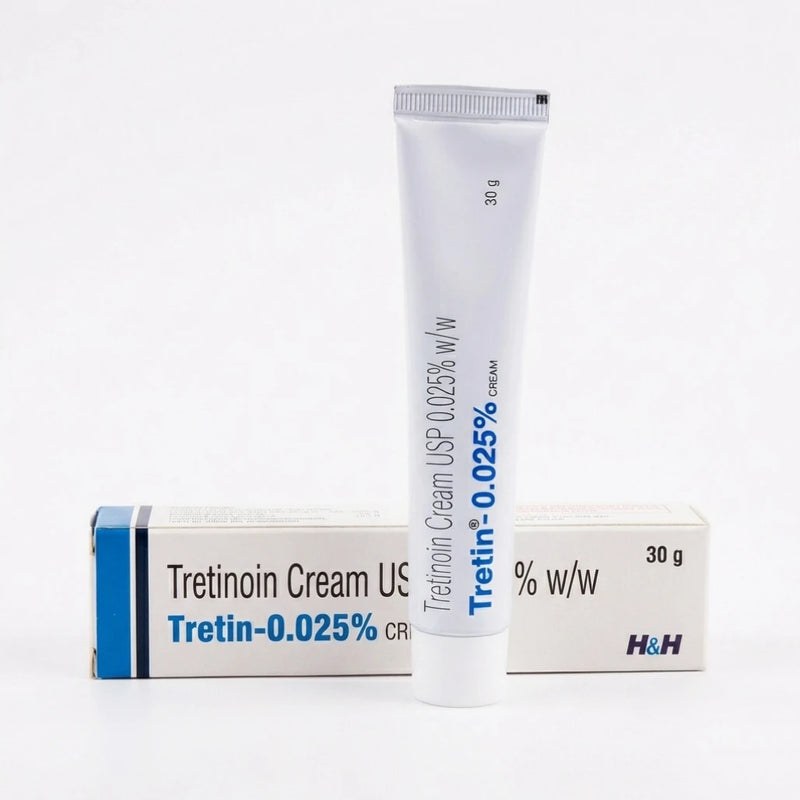
Comprare la crema alla tretinoina con la concentrazione più alta disponibile in farmacia è il modo più veloce per distruggere la propria barriera cutanea senza ottenere alcun beneficio estetico immediato. Molti pensano che, nel mondo dei retinoidi, più è alta la percentuale, più velocemente spariranno rughe o acne. La biologia della pelle non funziona con una logica di forza bruta. La pelle è un organo dinamico, un sistema complesso di barriere lipidiche e cicli di rinnovamento che non accetta ordini coercitivi senza reagire con infiammazione.

La tretinoina è l’acido retinoico puro. È una molecola che arriva direttamente nel nucleo delle cellule cutanee con un ordine preciso: accelerare il turnover cellulare. Questo processo, la desquamazione accelerata, è ciò che permette di eliminare le cellule morte, stimolare il collagene e liberare i pori ostruiti. A differenza di altri derivati, la tretinoina non deve subire trasformazioni chimiche nel derma per essere efficace; è già “pronta all’uso” per i recettori cellulari.

A differenza del retinolo, che deve essere convertito dal corpo in acido retinoico attraverso vari passaggi enzimatici (passando per il retinaldeide), la tretinoina è già nella sua forma attiva. È estremamente potente e può diventare irritante se non viene gestita con precisione chirurgica. L’uso inappropriato può portare a una dermatite da contatto o a una compromissione cronica del film idrolipidico, rendendo la pelle costantemente arrossata e reattiva a qualsiasi stimolo esterno.

La scala delle concentrazioni: 0.025% contro 0.05%

Scegliere tra la concentrazione al 0.025% e quella al 0.05% non è una questione di preferenza, ma di tolleranza biologica e obiettivo terapeutico. La versione al 0.025% è la scelta standard per chi non ha mai usato retinoidi o ha una pelle molto reattiva. È la concentrazione più bassa disponibile ed è proprio per questo che viene prescritta per i casi meno aggressivi. La differenza tra queste due dosi può sembrare minima sulla carta, ma per il sistema immunitario della pelle, la dose al 0.05% rappresenta un salto metabolico significativo.

Se si inizia con il 0.05% senza una preparazione adeguata, si rischia di avere la pelle che si scrosta, si arrossa e diventa quasi traslucida e dolorante al tatto. La transizione deve essere graduale. Se la pelle non accetta bene la dose minima, passare alla dose doppia non è una soluzione: è un errore clinico. Molti utenti commettono l’errore di pensare che la pelle debba “abituarsi” attraverso il dolore, ma la pelle non si abitua al danno, si limita a reagire con una risposta infiammatoria che può portare a iperpigmentazione post-infiammatoria, peggiorando proprio quelle macchie che si volevano eliminare.

Ci sono differenze sostanziali da capire prima di applicare il prodotto sul viso:

  • Concentrazione 0.025%: Ideale per l’acne lieve, per chi inizia il trattamento o per chi vuole prevenire l’invecchiamento senza troppi disagi. È la scelta ideale per la “manutenzione” o per chi ha una pelle di tipo secco o sensibile.
  • Concentrazione 0.05% (o superiori): Si usa per trattamenti anti-aging più aggressivi o per acne che non risponde alle dosi inferiori. Spesso utilizzata per trattare rughe profonde o cicatrici da acne stabilizzate.
  • Effetto sulla pelle: Entrambe le dosi possono causare la cosiddetta “retinizzazione”, un periodo di adattamento in cui la pelle appare più secca, lucida (a causa della desquamazione) e potenzialmente più sensibile alla luce solare.

Un esempio pratico è quello di Marco, un uomo di trentacinque anni che ha iniziato con il 0.025% due volte a settimana per un mese intero. Ha aspettato che la pelle si abituasse prima di aumentare la frequenza, evitando quel rossore persistente che spesso porta ad abbandonare il trattamento. Marco ha seguito il metodo della “gradualità incrementale”: settimana 1-2: due volte a settimana; settimana 3-4: tre volte a settimana; settimana 5: ogni sera. Solo dopo aver verificato l’assenza di desquamazione dolorosa è passato alla dose successiva.

Sbagliare approccio è un rischio reale e frequente.

Meccanismi d’azione: acne, macchie e rughe

La tretinoina agisce su tre fronti principali, ma i risultati richiedono mesi, non giorni. Molti pazienti si scoraggiano dopo le prime due settimane perché, paradossalmente, la pelle può sembrare peggiore: l’acne può sembrare aumentare a causa dell’espulsione rapida delle impurità (il cosiddetto “purging”).

Per l’acne, il principio attivo riduce la coesione tra i cheratinociti (le cellule che rivestono la superficie della pelle), impedendo loro di accumularsi nei pori e formare i comedoni. Questo processo è fondamentale per chi soffre di acne comedonica, poiché previene la formazione di punti neri e punti bianchi prima che diventino infiammatori. Per questo è così efficace nel prevenire le nuove imperfezioni.

Sull’anti-aging, la scienza è solida. La tretinoina stimola i fibroblasti a produrre nuovo collagene e inibisce le proteasi, ovvero gli enzimi che degradano le fibre elastiche. Questo processo aiuta a levigare le rughe sottili e migliora la compattezza del derma. Mentre il retinolo lavora in superficie, la tretinoina penetra più in profondità, agendo sulla struttura stessa del tessuto connettivo.

Per quanto riguarda l’iperpigmentazione, la crema aiuta a “espellere” le cellule con troppa melanina, rendendo l’aspetto della pelle più uniforme. Però è fondamentale usare la protezione solare durante il giorno. La pelle trattata con tretinoina è estremamente fotosensibile; senza protezione, l’effetto anti-macchie viene annullato dal danno solare che si accumula costantemente sotto la superficie cutanea. Senza SPF 30 o superiore, la tretinoina può paradossalmente causare nuove macchie solari (lentiggini senili o macchie solari) a causa dell’assenza della protezione naturale fornita dallo strato corneo, che risulta più sottile.

Le indicazioni d’uso cambiano in base alla formulazione:

Obiettivo principale Concentrazione consigliata Tempo medio per i risultati
Acne lieve / Prevenzione 0.025% 8-12 settimane
Rughe sottili / Anti-age 0.025% o 0.05% 16-24 settimane
Cicatrici da acne / Macchie 0.05% (sotto supervisione) 24+ settimane

È importante consultare un professionista prima di iniziare, specialmente se si pianifica una gravidanza, dato che l’uso di retinoidi è generalmente sconsigliato in questa fase a causa del potenziale rischio di tossicità fetale.

La gestione dell’irritazione e la barriera cutanea

Uno dei problemi più comuni è la disidratazione trans-epidermica (TEWL – Transepidermal Water Loss). La tretinoina accelera il ricambio, ma se questo processo è troppo rapido, la pelle non ha il tempo di ricostruire lo strato lipidico protettivo (ceramidi, colesterolo e acidi grassi). Il risultato è una pelle che tira, si arrossa e si scrosta in modo irregolare. Molti confondono questo fenomeno con un “effetto che funziona”, ma in realtà è un segno di infiammazione cronica che può portare a una sensibilizzazione permanente.

Per limitare l’irritazione, molti dermatologi consigliano la tecnica del “sandwich”. Si applica una crema idratante leggera, si aspetta che si asciughi (almeno 15-20 minuti), si applica la tretinoina e infine un altro strato di crema o olio emollente. Questo metodo non riduce l’efficacia del principio attivo, ma ammortizza l’impatto sulla barriera cutanea, creando un cuscinetto che rallenta la velocità di penetrazione senza bloccarla.

Se volete acquistare prodotti che supportino questo processo, cercate fonti affidabili. Ad esempio, per chi cerca prodotti certificati e sicuri per la gestione dermatologica, la Farmacia San Pietro tretinoina è un punto di riferimento.

Alcuni consigli pratici per la fase iniziale:

  • Iniziare due volte a settimana, preferibilmente la sera, per evitare l’esposizione alla luce che potrebbe degradare il prodotto prima dell’assorbimento.
  • Usare solo una quantità pari a un chicco di pisello per tutto il viso; applicare più prodotto non accelera i risultati, ma aumenta drasticamente l’irritazione.
  • Evitare di usare contemporaneamente acidi esfolianti come l’acido glicolico, l’acido salicilico o l’acido acetico; l’uso combinato può causare vere e proprie ustioni chimiche superficiali.
  • Controllare che non compaiano eritemi persistenti; se la pelle brucia durante l’applicazione della crema idratante, significa che la barriera è compromessa e bisogna sospendere il trattamento per alcuni giorni.

La costanza vince sulla forza.

La routine ideale: cosa usare e cosa evitare

L’efficacia della tretinoina dipende pesantemente dal contesto della tua routine di skincare. Non è un ingrediente che “lavora da solo”, ma deve essere inserito in un ecosistema di prodotti che ne supportino la tollerabilità. La chiave è la semplicità. Troppi passaggi, specialmente con l’uso di sieri acidi o vitamine, possono mandare la pelle in tilt.

Una routine serale ottimale dovrebbe seguire questo schema:

  1. Detersione delicata: Utilizzare un detergente non schiumogeno (non contenente SLS o SLES) che non rimuova eccessivamente i grassi naturali della pelle.
  2. Idratazione pre-trattamento: Un siero all’acido ialuronico su pelle leggermente umida può aiutare a mantenere i livelli idrici.
  3. Tretinoina: Applicata su pelle completamente asciutta per evitare che l’umidità aumenti eccessivamente la penetrazione del farmaco, causando irritazione.
  4. Barriera riparatrice: Una crema contenente ceramidi o acido palmitico per sigillare l’umidità.

Confronto tra formulazioni e mercato

Il mercato offre diverse opzioni che possono confondere. Esistono creme, gel e lozioni. La scelta del veicolo è importante quanto la concentrazione: le creme sono più idratanti e adatte a chi ha la pelle secca o sensibile; i gel sono più leggeri e meglio per chi ha la pelle grassa o acneica. Ad esempio, una formulazione in gel penetra più rapidamente, il che può essere un vantaggio per l’assorbimento ma un rischio per l’irritazione in soggetti reattivi.

I prezzi variano molto in base alla zona geografica. In alcuni paesi dell’Europa dell’Est, ad esempio, si trovano prezzi competitivi per le formulazioni standard. Tretinoina.ro elenca, ad esempio, il prezzo per la crema al 0.025% intorno ai 74.99 lei. Tuttavia, il prezzo non deve essere l’unico fattore: la qualità della base (crema o gel) decide quanto la pelle tollererà il prodotto nel lungo periodo.

Bisogna distinguere tra i retinoidi da banco e la tretinoina prescritta. Molti prodotti nei supermercati o nelle catene cosmetiche contengono retinolo o retinaldeide, che sono meno potenti ma più tollerabili per un uso quotidiano senza ricetta. La tretinoina vera e propria è un farmaco e richiede spesso una prescrizione medica perché, se usata male, può causare danni cutanei significativi, inclusa la fotosensibilizzazione estrema o reazioni allergiche ai veicoli della crema.

Gestire la pelle con la tretinoina richiede un equilibrio tra il desiderio di stimolare il rinnovamento cellulare e la necessità di proteggere la barriera cutanea. L’errore più grande è sovraccaricare la pelle con dosaggi troppo alti fin dal primo giorno nella speranza di vedere risultati miracolosi in una settimana. La pelle è un organo che risponde alla costanza, non alla violenza.

Domande frequenti

Che differenza c'è tra retinolo e tretinoina?

La tretinoina è un derivato del retinolo molto più potente e stabile, che agisce direttamente sui recettori cellulari per accelerare il turnover cutaneo.

La tretinoina può ridurre le rughe?

Sì, la tretinoina è uno dei pochi ingredienti approvati per stimolare il collagene e ridurre visibilmente le rughe sottili e le linee d'espressione.

Quali sono i marchi di crema Retin-A 0.025% disponibili?

Il marchio principale è Retin-A (formulato da Janssen), ma esistono diverse versioni generiche di tretinoina prescritte da dermatologi.

Qual è la differenza tra la concentrazione 0.025% e 0.05%?

La concentrazione 0.025% è più delicata e ideale per iniziare, mentre la 0.05% è più intensa e indicata per trattamenti più avanzati.

Come si applica la crema alla tretinoina?

Si applica una piccola quantità su pelle asciutta, preferibilmente di sera, evitando il contorno occhi e le zone sensibili.

Navigating the Reality of Borrowing Money in the Prairie State

Personal loans in Illinois

It’s Tuesday night in Naperville. You’re sitting at your kitchen table, staring at a pile of utility bills and a sudden, scary estimate for a plumbing repair that isn’t going to wait. The radiator is hissing, the basement smells like damp earth, and your savings account looks more like a rounding error than a safety net. You know you need a bridge to get through the next few months, but the idea of walking into a local credit union feels intimidating when you aren’t even sure if your credit score is high enough to bother.

We’ve seen this play out more times than we can count. Life in Illinois often comes with these sudden, expensive jolts that don’t care about your budget or your long-term plans. Whether it’s a medical bill, a car that died in the middle of a Chicago winter, or a home renovation that spiraled out of control, the need for quick cash is just a regular part of life here.

Taking out a loan isn’t a failure, but it is a tool that requires a steady hand. You have to look at the fine print, understand what you owe, and decide if the speed of the money is worth the cost of the interest. Don’t make this decision while you’re panicking, even though that’s exactly when you’ll feel the strongest urge to sign anything just to make the problem go away.

The Local vs. The Digital Divide

In the past, if you needed cash, you drove to a bank branch, sat in a waiting room, and talked to a person who might or might not know your name. Today, the options have split into two very different worlds. You have the traditional local institutions that know the neighborhood, and you have the massive, invisible digital lenders that exist only on your smartphone screen.

Local banks and credit unions offer a sense of community stability. They might look at your history in the state or your standing with them over the last decade. If you have a relationship with a local branch in Springfield or Peoria, they might be more willing to listen to a story about a temporary setback. However, they are often slower. They want paperwork, they want physical signatures, and they want to see your life in a way that digital algorithms simply cannot capture.

On the other side, there’s the speed of the internet. If you are looking for personal loans online Illinois providers can offer a level of convenience that feels almost magical. You apply from your couch, upload a photo of your pay stub, and the money hits your account while you’re still finishing your coffee. It’s efficient, but that efficiency often comes with a lack of human recourse. If the algorithm says no, there isn’t a manager you can talk to about your specific situation.

Choosing between them depends entirely on your timeline and your temperament. If your roof is leaking right now, speed is your primary driver. If you’re planning a wedding six months from now, you might want the personalized touch and potentially better rates found at a community-focused institution. You have to weigh the luxury of time against the necessity of speed.

Consider these differences when deciding where to start your search:

  • Traditional Banks: Slower processing, potentially better rates for long-term customers, requires physical presence or extensive documentation.
  • Credit Unions: Often more flexible with credit scores, community-focused, might offer more personalized service.
  • Online Lenders: Extremely fast, high convenience, often use automated decisioning that can be rigid.

Deciphering the Cost of Speed

Everyone talks about the monthly payment, but that’s only half the story. The real cost of a loan is hidden in the math of the interest rate and the term length. People often make the mistake of choosing a loan because the monthly payment is small, forgetting that a smaller payment usually means you’re paying for that loan for a much longer period of time. You end up paying back double what you originally borrowed.

Interest is the price you pay for the privilege of using someone else’s money today. In Illinois, you’ll see different ways this is presented. Some lenders use a flat fee, while others use an annual percentage rate. Look closely at the APR because that’s the number that actually tells you the truth about what the loan costs over the long haul. It includes the interest and any other mandatory fees the lender is tucking into the fine print.

We’ve seen people get trapped in cycles of debt because they didn’t look at the total cost of credit. They saw a $200 a month payment and thought, “I can handle that,” without realizing the loan lasts six years. That’s a lot of years to be tethered to a piece of metal or a broken furnace. Be honest about your cash flow before you sign anything. If you can’t afford the payment on a bad month, you shouldn’t take the loan.

The math gets complicated quickly when you start comparing different products. Look at this breakdown of how different structures affect your wallet:

Loan Type Typical Term Speed of Funds Primary Risk
Short-term 6-18 Months Very Fast High Monthly Payment
Long-term 3-5 Years Moderate High Total Interest
Unsecured Variable Fast Higher Interest Rates

It’s a balancing act. You want the money fast, but you want the cost low. You rarely find a product that is both lightning-fast and incredibly cheap. You are always trading one for the other. Pick the one that matches your actual emergency.

The Weight of Your Credit Profile

Your credit score is essentially a grade on how well you handle your obligations. In the lending world, it’s the single most important thing you own. It acts as a gatekeeper. If your score is high, the gates open wide and the terms are favorable. If your score is struggling, the gates may stay shut, or they might open only if you’re willing to pay a massive premium for the privilege of entering.

Many people think that a single late payment or a high balance on a credit card means they are doomed. That isn’t true. Credit scores are dynamic. They move up and down. A single mistake doesn’t ruin you forever, but a pattern of mistakes will make lenders very nervous. They see patterns, and patterns suggest risk. They aren’t just looking at whether you pay on time; they are looking at how much of your income is already spoken for by other debts.

If your credit is less than ideal, you might look into secured options, though these are less common for personal loans. A secured loan is backed by an asset, like a vehicle or a savings account, which gives the lender a safety net if you stop paying. This makes them much more willing to give you a chance. Unsecured loans, which are what most people mean when they say “personal loan,” rely entirely on your promise to pay. That’s why they are much harder to get with a low score.

Managing your credit in Illinois requires discipline. You should monitor your reports regularly to ensure there are no errors. Sometimes, a debt that isn’t yours or a mistake by a creditor can drag your score down unfairly. Fixing these errors is often the fastest way to improve your borrowing power without actually increasing your income. It’s about cleaning up your financial hygiene before you go out to shop for capital.

It’s a steep climb. Sometimes you have to take one step back to take two steps forward. Don’t let a temporary low score convince you that you can never borrow money again. It’s a snapshot, not a life sentence.

Avoiding the Debt Trap in the Windy City

There is a specific kind of predatory behavior that exists in the shadows of the lending industry. These lenders often target people when they are most vulnerable, right when the car broke down or the medical bill arrived. They offer “easy money” with very little documentation, but the catch is that the interest rates are astronomical, sometimes approaching the levels of a payday loan. These loans don’t help you solve a problem; they create a whole new, much larger problem.

A legitimate loan will always be transparent. They will tell you exactly what the interest rate is, exactly what the monthly payment will be, and exactly how long you will be paying it back. If a lender is being vague, or if they tell you to “just sign here and we will figure out the details later,” walk away. That’s not a loan; that’s a trap. Real lenders want you to succeed so that you can pay them back, not so you default and they can seize your assets.

Compare at least three different offers before making a final decision. Even if one seems perfect, check another. You might find that a slightly higher monthly payment on a shorter-term loan actually saves you thousands of dollars over the life of the debt. It’s worth the thirty minutes of extra research to save your future self from a mountain of stress. The goal is to use the loan to solve a problem, not to become a problem for yourself.

Before you commit, ask these questions:

  • What is the total amount I will have paid back by the time this loan is finished?
  • Is there a prepayment penalty if I decide to pay it off early?
  • What happens if I miss a single payment?
  • Are there any hidden fees for processing or administrative tasks?

You might be thinking, “But what if I don’t have any other choice and I just need the money right now?”

If you’re truly in an emergency and your credit is poor, look for non-profit credit counseling services in your area before you turn to high-interest lenders. They can often help you negotiate with creditors or find ways to manage your debt that don’t involve taking on even more expensive debt. It is much harder to dig yourself out of a hole once you have started falling.

Quick answers

What is the maximum personal loan amount available in Illinois?

Loan amounts typically range from $1,000 to $50,000, depending on the lender and the borrower's creditworthiness.

Are there specific interest rate caps for personal loans in Illinois?

While personal loans are often subject to usury laws, rates vary significantly based on the lender, the loan type, and the borrower's credit score.

What are the requirements to qualify for a personal loan in Illinois?

Applicants generally need to be at least 18 years old, have a valid Social Security number, and demonstrate steady income and a stable residence in Illinois.

Can I get an unsecured personal loan in Illinois?

Yes, many lenders in Illinois offer unsecured personal loans that do not require collateral, though these often come with higher interest rates.

How long does it take to receive personal loan funds in Illinois?

Approval can be instant, and once approved, funds are typically deposited into your bank account within one to five business days.