(562) 400-4959 vsfoundation@outlook.com

Navigating the Illinois Personal Loan Market: A Practical Guide for Residents

A sudden transmission failure on a commute from Naperville to the Loop can wipe out a month’s savings in a single afternoon. It’s a classic Illinois scenario where a car, which is basically a survival tool in the suburbs, becomes a massive financial liability overnight. When that happens, most people don’t just wait for the next paycheck; they start looking at the various lending options scattered across the state’s economy.

Borrowing money in the Prairie State depends heavily on where you live and what your credit report looks like. A student in Hyde Park faces a different set of options than a small business owner in Springfield. Knowing these differences is what separates finding a lifeline from walking into a debt trap.

The Spectrum of Credit Requirements

Not everyone walks into a lending conversation with a pristine score. In fact, a huge part of the local market exists specifically for people who have hit a rough patch. While a high score might get you the lowest rates, many Illinois lenders specialize in “not so perfect” credit histories. You see this a lot in Chicago, where community-focused institutions fill the gaps left by big national banks.

If your credit score is a barrier, you aren’t entirely locked out. For example, CFS of Chicago East specializes in loans for people with bad or imperfect credit, offering both car and personal loans to help bridge the gap. They have a physical office on W. Lawrence Avenue, which provides a local touch that digital-only lenders often lack.

The trade-off is usually a higher interest rate or specific terms. You have to weigh the cost of that interest against the immediate need for cash. Is it better to pay a higher rate for three months to fix a furnace, or to wait and risk a massive repair bill later?

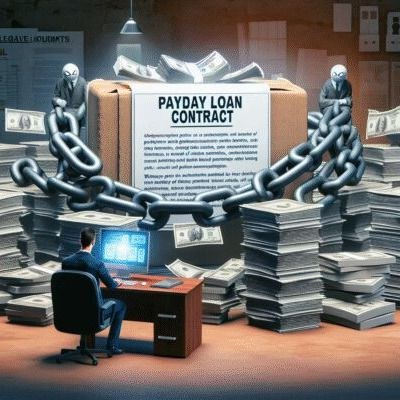
For those looking for something much smaller and more localized, relationship-based lending is a real option. In the Hyde Park area, Maroon Financial offers Payday Alternative Loans (PALs). These are designed to be affordable alternatives to high-cost payday loans. You can borrow $500 with a flat $75 origination fee or $1,000 with a $125 fee. It’s a structured way to manage short-term cash needs without the predatory cycles often found in the payday lending industry.

The choice usually comes down to whether you need a massive lump sum for debt consolidation or a small “bridge” to get through a single month. The market is wide enough to accommodate both, if you know which door to knock on.

Institutional vs. Alternative Lenders

When comparing lenders, the math matters more than the marketing. Some people jump straight to the biggest names they see online, but that isn’t always the smartest move for an Illinois resident. You have to look at the APR, the fees, and how quickly you actually get the cash in your hand.

If you have a solid credit history and need a substantial amount, you might look toward the national heavyweights. Companies like SoFi, Discover, or LightStream are common options for those with higher scores. These lenders tend to offer more streamlined, digital experiences and can be quite competitive on interest rates for people with excellent standing.

However, if you are in a rush, speed might be your priority. Some credit unions are much faster at processing these requests. For instance, DuPage Credit Union offers personal loans ranging from $500 to $50,000 with rates as low as 9.49% APR. They even provide same-day funding options, which is a lifesaver if you are dealing with an emergency.

The table below outlines how different types of lenders generally stack up in the Illinois market:

Lender Type Best For… Typical Credit Need Speed of Funding
Credit Unions Lowest rates & local service Good to Excellent Fast (Sometimes Same-Day)
Online Lenders Large amounts & convenience Varies widely Very Fast
Specialty/Bad Credit Emergency/High-risk situations Poor to Fair Moderate
Payday Alternatives Small, short-term cash gaps Low/No credit focus Quick

Before you sign anything, check the fine print for “origination fees.” These are one-time charges taken out of the loan amount before you even see the money. If you borrow $1,000 but they take $100 as a fee, you only have $900 to work with, but you’re still paying interest on the full $1,000. It is a nuance that catches many people off guard.

Do you really want to spend your weekend comparing fine print, or would you rather just find the one that works for your specific budget?

The Reality of Interest and Terms

It’s easy to get blinded by a monthly payment that looks manageable. A low monthly payment usually means a longer loan term, which means you’ll pay significantly more in total interest over the life of the loan. An installment loan might feel easy on the wallet today, but it can become a long-term weight if you aren’t careful.

The terms for these loans vary wildly. For example, Upgrade is a player in the Chicago area for those with bad credit, offering loans that range from $1,000 up to $75,000 with terms spanning from 24 to 84 months. While an 84-month term makes the monthly payment look tiny, the total interest paid over seven years could be staggering. It’s a classic trade-off: monthly affordability versus total cost.

When evaluating an offer, always ask for the “Total Cost of Loan.” This is the most honest metric you’ll find. It tells you exactly how much cash will leave your pocket from the day you sign the contract until the day you make the final payment. If the difference between what you borrow and what you pay back is huge, you need to decide if the convenience is worth the premium.

For those looking for a quick way to check their standing before applying, many residents use illinoisloanstoday.com to research their options. Taking the time to understand your current position in the market can prevent you from being rejected by traditional banks and sent running toward high-interest lenders out of desperation.

Keep in mind that your employment status matters just as much as your credit score. Most lenders want to see a consistent stream of income. If you’re currently between jobs or working irregular freelance hours, your options will shrink and the interest rates will climb. Stability is the currency of the lending world.

Managing Debt in a High-Cost State

Illinois is not a cheap place to live. Between Cook County property taxes and the general cost of living in metro areas, the margin for error in a personal budget is thin. A personal loan should be a tool to fix a problem, not a way to fund a lifestyle that the paycheck can’t support.

If you’re using a loan for debt consolidation, you’re essentially moving debt from one bucket to another. This only works if you stop the spending that caused the debt in the first place. If you clear your credit card balances with a personal loan and then immediately run those cards back up, you’ll end up in a much deeper hole than when you started.

Using a loan for a necessary expense, like a car repair or a medical bill, is a different story. These are “productive” uses of debt because they prevent further financial decay. A car that isn’t running is a direct threat to your ability to earn a living. In that context, a high-interest loan can be a necessary evil to keep the wheels turning.

Before you commit to a loan, run these quick checks:

  • Can I afford the payment if my income drops by 10%?
  • Is there a prepayment penalty? (You want to be able to pay it off early without being punished).
  • What is the exact APR including all fees?
  • Is this a fixed rate or a variable rate? (Variable rates can jump, making your payments unpredictable).

Borrowing money is a mathematical equation, but it feels like a personal crisis when things go wrong. The best way to handle it is to strip away the emotion and look at the raw numbers. If the math doesn’t work for your lifestyle, no amount of “fast cash” will fix the underlying issue.

The best loan is the one you can pay back without losing your mind.

Navigating the Reality of Bad Credit Personal Loans

Getting a personal loan when your credit is poor usually means accepting higher interest rates and tougher terms in exchange for actually getting approved. While traditional lenders often treat a credit score like a gatekeeper, there are other lending models and specific strategies that can help you work around those hurdles.

Credit isn’t black and white. For many people, a low score is just a temporary setback rather than a permanent dead end. If you understand how different lenders weigh risk, you can change the math of your borrowing options entirely.

If you need cash immediately, speed often matters just as much as the interest rate. Sometimes, you just need to find $2000 fast to cover an unexpected car repair or a medical bill.

The Mechanics of Modern Lending Models

Lenders generally fall into two camps. First, there are those that stick strictly to the FICO score. Traditional banks often look at that one number and use it to decide your entire worthiness as a borrower. If it’s low, the door usually shuts before you even get through the door.

Fintech has changed that math, though. Some platforms now look at “alternative data,” like your rent payment history or how steady your employment is. This approach recognizes that a single period of financial trouble doesn’t define your ability to pay back debt in the long run.

For example, you can apply online for an Avant personal loan through a fast process. It’s a simple three-step setup: apply, get a decision, and receive funds. Loan amounts usually run from $2,000 to $35,000. It’s designed for people who can’t wait weeks for a manual review at a local bank branch.

The trade-off for that speed is the cost. When a lender takes a higher risk on someone with bruised credit, they protect themselves by charging a higher APR. It’s simple economics. You aren’t just paying for the cash; you’re paying for the risk the lender is taking on your behalf.

It’s a calculated gamble. You have to decide if the immediate use of the cash is worth the long-term cost of the interest.

Comparing different loan structures is the only way to avoid predatory terms. A loan that looks cheap on paper might have hidden fees that make it much more expensive than a high-interest loan from a reputable source. Always look at the total cost of the loan over the entire term, not just the monthly payment.

Comparing Secured and Unsecured Debt Options

If your credit score isn’t high enough for a standard unsecured loan, you’ll likely end up talking about collateral. An unsecured loan is essentially a “handshake” loan; there is no asset backing the debt. Since there is no safety net for the lender, the requirements for you are much higher. If you can’t pay, they can’t easily take a car or a house to cover the loss.

Secured loans use an asset, like a vehicle title or a savings account, as collateral. This makes things less risky for the lender, which can lead to lower interest rates and better odds of approval. By putting something of value on the line, you’re telling the lender, “If I fail, you have this to make yourself whole.”

Credit unions often have specific unsecured options. For instance, Seattle Credit Union offers unsecured loans with terms up to 60 months and maximum amounts around $25,000. Rates can start as low as 10.99% APR, though that depends on your specific financial profile.

The table below shows the main differences between the two types of personal loans for people with suboptimal credit:

Feature Unsecured Loans Secured Loans
Collateral None required Asset required (Car, Savings, etc.)
Interest Rates Generally higher Generally lower
Risk Level Higher for the lender Lower for the lender
Credit Building Effective if paid on time Highly effective due to lower risk

Your choice depends on your goal. If you want to consolidate high-interest credit card debt, an unsecured loan might be the easiest way to move that debt into one manageable monthly payment. If you’re trying to build credit from scratch, a secured loan is often a more reliable path.

It’s all about strategy. Using a secured loan to build a foundation can eventually help you access much larger, unsecured lines of credit later on.

Even with bad credit, you aren’t out of the game. There are many lenders that specialize in this niche. You can find different options through LendingLee when you’re researching ways to manage debt and improve your standing.

Leveraging Human Capital to Boost Approval Odds

If your credit score is the main reason you’re getting denied, you might need to bring something else to the table. Finding a cosigner is one of the most effective ways to do this. A cosigner is someone, usually a family member or a close friend, who agrees to be equally responsible for the debt. If you miss a payment, the lender can go after them for the money.

This changes the risk profile of the loan immediately. By adding a cosigner with a solid score, you’re essentially “borrowing” their reputation. This can help you qualify for larger amounts and, more importantly, better interest rates. It can turn a 28% APR loan into a 15% APR loan, saving you thousands of dollars over time.

However, this is a big responsibility for your cosigner. You have to be certain you can handle the payments, because a single missed payment will damage both your credit and theirs. It can also strain your personal relationships if things go wrong. It’s a high-stakes move that requires deep trust.

You can also increase your chances by providing more than just a credit score. Many lenders want to see proof of income and stability. This might include:

  • Recent pay stubs or W-2 forms
  • Bank statements showing consistent deposits
  • Proof of steady employment for at least two years
  • Documentation of any significant assets you own

The more data you provide that shows you can repay, the more likely a lender is to look past a low FICO score. They want to see a pattern of behavior, not just a single number. A history of paying rent on time is a powerful data point that many lenders value much more than they did a decade ago.

Sometimes, the best move is to wait. Sometimes, the best move is to build.

If you can’t wait, you have to be very careful about where you turn. The “easy” loans that promise instant approval without any scrutiny are often the most expensive. They often hide fees or have astronomical interest rates that can trap you in a cycle of debt that’s incredibly hard to escape.

There are lenders who specialize in “bad credit” loans, but you need to know the boundaries. According to Bankrate, bad credit personal loans typically have terms between two and seven years, with interest rates that usually stay under 36%. If an offer promises a much lower rate than that for a bad credit profile, or if the terms seem too good to be true, be very cautious.

Tactics for Long-Term Credit Restoration

A loan should be a tool, not a trap. If you use a bad credit loan to consolidate debt, use that breathing room to actually pay down the principal, not to run up your credit cards again. Using a loan to “fix” a debt problem without changing your spending habits is like pouring water into a bucket with a hole in the bottom.

Credit repair is a marathon. If you’re currently struggling, your main goal should be to stabilize your cash flow. This means looking at every expense and determining what’s actually necessary. You might need to cut back on subscriptions or dining out, but the goal is to have a surplus at the end of every month.

You might also consider “credit builder loans.” These are unique products where the lender holds the borrowed funds in a locked account while you make payments. Once the loan term ends, you get the money, minus interest. It’s a strange concept, but because you’re essentially paying off a loan that is being held for you, it reports to the credit bureaus as a successful installment loan, which helps boost your score.

Watch out for red flags when dealing with lenders. Avoid any company that asks for upfront fees before they issue your loan. Real lenders make their profit from the interest you pay over time, not from an “application fee” or “insurance fee” paid before you ever see a dime. If they ask for a check upfront, walk away.

Maintaining a low credit utilization ratio is another huge factor. This is the amount of revolving credit you use compared to your total limits. Even if you pay your bills on time, if your credit cards are maxed out, your score will stay low. Using a personal loan to pay off those cards can actually improve your score because it shifts “revolving debt” into “installment debt,” which looks better to scoring models.

The goal is to move from a position of defense to a position of offense. Once your score reaches a certain level, the entire financial world opens up. Rates will drop, limits will rise, and the stress of every major purchase will start to fade. It takes time and discipline, but you can get there through consistent, incremental steps.

Quick answers

What's the easiest loan to get with poor credit?

Secured loans or credit union loans are often easier to obtain because they are backed by collateral or specialized member criteria.

Can someone with a 500 credit score get a loan?

Yes, though options are limited to high-interest subprime lenders or secured loans that require a cash deposit.

What's the worst debt you can have?

High-interest credit card debt and payday loans are considered the most dangerous due to compounding interest rates.

How to get $2000 dollars fast with bad credit?

You can apply for personal loans from online lenders that specialize in bad credit, though approval depends on your income and debt-to-income ratio.

How do bad credit personal loans affect my credit score?

On-time payments can improve your score, while late payments or high credit utilization can further damage it.

The Real Cost of Medication Adherence

Pharmaceutical products and healthcare services

Most people think a prescription fill is the end of the road. They figure once the bottle is in the bag, the hard work of healing is done. That’s just wrong. The real work starts when the patient walks out the door and has to deal with the daily reality of managing a chronic condition or recovering from an illness.

The gap between a doctor writing a script and a patient actually taking it correctly is where healthcare fails most often. It happens everywhere. It isn’t just about forgetting a pill now and then. It’s about the mess of logistics, confusing instructions, and the sheer exhaustion of being a patient instead of a person.

Medicine doesn’t work if it stays in the cabinet. A pill sitting on a nightstand is just expensive powder. For healthcare to actually work, we have to stop seeing pharmacists as just clerks. They’re actually the last line of defense in a system that’s usually too rushed to notice when a patient is confused.

The Friction in the Pharmacy Counter

Walking into a pharmacy can feel like entering a different world. There’s the queue, the constant hum, and a sense of urgency that doesn’t always match how serious the prescriptions actually are. People expect a quick transaction, but it’s really a complicated dance of insurance verification, clinical checks, and managing inventory.

We often miss how much mental energy this takes. A patient might show up for a refill only to find out their insurance needs a prior authorization that was never sent. Suddenly, they aren’t just someone with a headache; they’re a negotiator trying to figure out how to pay for life-sustaining drugs out of pocket.

The logistics are often a mess. A patient might pick up meds at a local shop, but their specialist is three towns over. If the dosage is wrong, they have to play messenger between two different doctors. This is where the system breaks down. It’s why many people eventually just stop trying to follow their regimen at all.

Consider a man I know named Arthur. He’d managed high blood pressure for a decade without much trouble. When his doctor switched his medication, the new instructions were complicated. He had to take it at a specific time, avoid certain foods, and monitor his levels. He felt overwhelmed by the change in his daily rhythm. He didn’t want to be a “patient” anymore; he just wanted to be Arthur.

When you look at these interactions, it’s clear the pharmacy is more than a retail shop. It’s a counseling center. When a pharmacist takes three extra minutes to explain why a pill shouldn’t be taken with grapefruit juice, they aren’t just being thorough; they’re preventing a mistake. That small bit of time is often the only thing standing between a successful treatment and an emergency room visit.

Efficiency is a trap. We want things fast, but in healthcare, fast is often dangerous. If we push the industry to prioritize speed, we lose the human element that makes the medicine actually work. A quick transaction is easy, but a correct one is much harder.

Navigating the Complexity of Modern Prescriptions

The variety of medications available today is staggering. We’ve moved way past simple antibiotics and aspirin. Now, we deal with biologics, specialized injectables, and complex combinations that need specific storage. This adds layers of difficulty for the person actually taking them.

Storage is a huge hurdle. Some meds need to stay refrigerated, which is a problem if you travel for work or live in a cramped apartment. If the temperature fluctuates, the drug might lose its potency. The patient might think they’re being treated, but they’re actually just taking an inert substance.

Instructions are often written in a way that no normal person understands. “Take once daily” sounds simple until you realize you have to take it with food, but the food can’t be fatty, and you shouldn’t take it at the same time as your other three meds. It’s a logic puzzle most people don’t have the energy to solve after a long workday.

When people struggle with these details, they often turn to online resources or pharmacie-cornichefleurie.com to find clarity. Having a reliable place to turn is vital when the instructions on the bottle feel like a foreign language. We need to bridge the gap between clinical jargon and real-world application.

Here are the most common barriers patients face when trying to stick to a prescribed regimen:

  • Cost-related non-adherence: Skipping doses to make a prescription last longer.
  • Forgetfulness: Simply losing track of the schedule because life is busy.
  • Side effect anxiety: Stopping a drug because the initial discomfort feels worse than the condition.
  • Complex dosing schedules: Managing multiple medications with overlapping or conflicting times.
  • Misunderstanding instructions: Incorrectly interpreting how or when to take a dose.

Addressing these isn’t about lecturing the patient. It’s about simplifying the system. We need to design healthcare services that assume people are busy, tired, and prone to error. A system that relies on a patient’s perfect memory is a system designed to fail.

Beyond the Pill: The Service Component

Healthcare isn’t just a collection of products. It’s a service. A pill is a commodity, but managing a health condition is a continuous process. This is why the rise of telehealth and digital monitoring has changed how we think about care.

Remote monitoring allows doctors to see what’s happening in a patient’s home without being there. It turns a snapshot, the ten minutes once every six months during a clinic visit, into a movie. This stream of data can catch a problem before it becomes a crisis. But this also requires a level of digital literacy that not everyone has.

There is a massive divide in how people access these services. Those with high-speed internet and modern smartphones have a level of oversight that others don’t. If a person’s only way to talk to their provider is through a glitchy app on a small screen, the service is flawed. We can’t assume technology is a universal equalizer.

Service Type Traditional Model Digital/Remote Model
Communication Scheduled office visits Real-time messaging/Video
Monitoring Patient-reported symptoms Automated sensor data
Access Physical proximity required Device-dependent
Cost Structure Fee-for-service/In-person Subscription/Data-driven

The shift toward remote services also changes the local pharmacy. Instead of just a place to pick up goods, the pharmacy is becoming a hub for diagnostic testing and specialized counseling. This requires different training and a different way of managing time. The staff has to be as skilled in data as they are in dispensing.

We are seeing a move toward “precision medicine,” where treatments are tailored to a person’s genetic makeup. This is a massive leap, but it makes the supply chain more complicated. You can’t just keep these drugs on a standard shelf; they need specialized handling and intense coordination between the manufacturer and the provider.

The Hidden Burden of Chronic Care

Managing a chronic condition is a full-time job that nobody applied for. It’s an invisible weight that follows people into their work, their social lives, and their rest. The psychological toll of being “never well” is something many clinicians fail to account for when they prescribe a new regimen.

Burnout doesn’t just happen to doctors and nurses; it happens to patients too. Someone managing diabetes or asthma for twenty years might experience a sense of apathy. They’ve done everything right, yet they still feel unwell. This apathy is often mistaken for non-compliance, but it’s actually exhaustion.

We have to recognize that the goal of healthcare isn’t just to keep a person alive, but to help them live well. If a medication makes someone so nauseous or lethargic that they can’t play with their kids or go to work, the treatment is failing, even if the lab results look perfect. A clinical success can be a personal failure.

The focus needs to shift toward holistic support. This means looking at how a medication fits into a person’s actual life. Is there a way to time the dose so it doesn’t interfere with sleep? Is there a cheaper generic that works just as well? Are there community resources that can help with the cost?

True healthcare requires a partnership. It’s not a top-down instruction from an authority to a subject. It’s a collaborative effort between the provider, the pharmacist, and the patient. When that partnership is strong, the medicine has a chance to do its job. When it’s broken, no amount of scientific innovation can fix the outcome.

The complexity of modern medicine requires more than just better drugs. It requires a more thoughtful approach to how those drugs are delivered, understood, and integrated into the messy reality of human life. We must prioritize the person over the prescription.

Die Logistik der Heilung: Zwischen Versandhandel und Apothekenpflicht

WestOst Apotheke Versandhandel für Medikamente
Eigentlich war die Entscheidung schon vor Jahren gefallen: Bloße Verfügbarkeit reicht nicht mehr aus, wenn die Lieferketten haken. Wir reden oft davon, ob ein Medikament im Regal steht, aber die wahre Dynamik passiert in den Lagerhallen. Es sind die komplexen Logistikströme, die letztlich entscheiden, ob ein Patient seine Medikamente morgen oder erst in drei Wochen bekommt. Dabei geht es um weit mehr als nur den Transport von Kartons; es geht um die lückenlose Kühlkette bei Insulin, die temperaturgeführte Lagerung von Biologika und die präzise Just-in-time-Logistik für hochspezialisierte Onkologika.

Das ganze System ist fragil. Schaut man sich den WestOst Apotheke Versandhandel für Medikamente an, bewegt man sich in einem Feld zwischen extrem strengen Regulierungen und dem pragmatischen Wunsch nach schneller Lieferung. Der Markt ist eben kein einfacher digitaler Katalog, sondern ein hochgradig regulierter Logistiksektor, der durch Abgabeverordnungen, Apothekenbetriebsordnungen und strengste Hygienevorschriften definiert wird. Ein einfacher Fehler in der Dokumentation der Chargennummer kann dazu führen, dass eine ganze Lieferung stillgelegt wird, ein Risiko, das im hochgradig optimierten Umfeld kaum Spielraum lässt.

Das Paradoxon der Verfügbarkeit und die Realität der Lieferengpässe

In einer global vernetzten Welt könnte man meinen, die Versorgung müsse eigentlich reibungslos laufen. Die Realität sieht bei den aktuellen Engpässen aber oft anders aus. Es ist ein ständiger Kampf gegen die Zeit und gegen bürokratische Hürden, die manchmal schneller entstehen als die Medikamente selbst. Wir beobachten eine wachsende Diskrepanz zwischen der Nachfrage nach hochspezialisierten Therapien und der tatsächlichen Produktionskapazität der globalen Wirkstoffhersteller.

Besonders kritisch wird es bei den Liefer- und Versorgungsengpässen von Arzneimitteln in Deutschland. Das ist ein Thema, das sogar im Rahmen der Sicherheitsforschung diskutiert wird wie Michael Prost in einem BMBF-Workshop darlegte. Es geht nicht nur um fehlende Stoffe. Wenn die Kette reißt, von der Wirkstoffproduktion in Asien bis zur lokalen Apotheke –, steht die Versorgung still. Oft liegt die Ursache in der Monopolstellung weniger Fabriken in Indien oder China, die als einzige die Weltmarktanteile für bestimmte Vorstufen (APIs) halten. Ein einziger Streik in einem Hafen oder eine Umweltauflage in einer Produktionsregion führt so zu einem globalen Dominoeffekt.

Wenn die Lieferketten reißen, bleibt oft nur noch die Symptomlinderung. Es gibt zwar viele Ansätze, aber wie in NAKOS-Publikationen zur Entwicklung von Gesundheitswerten beschrieben, können viele Behandlungen momentan nur symptomorientiert lindern. Echte Heilmethoden oder spezifische Medikamente für neue Krankheitsbilder stecken meist noch in der Forschung. Diese Diskrepanz zwischen medizinischem Fortschritt und logistischer Lieferfähigkeit erzeugt eine enorme psychologische Belastung für Ärzte und Patienten gleichermaßen.

Das hat Auswirkungen auf den Versandhandel: Kunden suchen nicht mehr nur nach dem besten Preis. Primär ist ihnen wichtig, dass die Ware auch wirklich ankommt. Verlässlichkeit ist zur wichtigsten Währung geworden. Ein Liefertermin ist kein bloßes Versprechen mehr, sondern eine medizinische Notwendigkeit.

Warum die Logistik scheitert

  • Globale Abhängigkeit von Vorprodukten aus wenigen Produktionsstätten, was die Resilienz gegenüber geopolitischen Krisen minimiert.
  • Unvorhersehbare Transportverzögerungen bei internationalen Sendungen durch gestörte Luftfrachtkapazitäten oder Hafenblockaden.
  • Mangelnde Transparenz in der Lieferkette zwischen Großhandel und Endverbraucher, was eine präzise Vorhersage von Engpässen erschwert.
  • Strenge regulatorische Dokumentationspflichten, die bei Logistikfehlern zu sofortigen Lieferstopps führen können.

Demografie als Motor des Apothekenmarktes

Die Zahlen zur Altersstruktur sind eindeutig. Wir werden älter, und das verändert das Kaufverhalten und die Art der Arzneimittelbeschaffung massiv. Der Deutsche Alterssurvey, der sich mit der zweiten Lebenshälfte beschäftigt, zeigt deutlich, wie sich die Bedürfnisse verschieben. Mit steigendem Alter korreliert nicht nur die Anzahl der verschriebenen Medikamente, sondern auch die Komplexität der Logistikanforderungen.

Ältere Menschen haben meist einen komplexeren Medikationsplan. Da geht es nicht um das eine Ibuprofen gegen Kopfschmerzen, sondern um die tägliche Routine aus Blutdrucksenkern, Antikoagulanzien und Vitaminkombinationen. Diese Gruppe stabilisiert zwar den Markt, stellt aber auch die höchsten Anforderungen an die Zuverlässigkeit. Ein Fehler in der Lieferkette bedeutet hier nicht nur eine Unannehmlichkeit, sondern ein direktes Gesundheitsrisiko durch Unterversorgung.

Zielgruppe Bestellverhalten Hauptmotivationsfaktor
Jüngere Patienten Digital, spontan, oft rezeptfrei Preis und Geschwindigkeit
Ältere Patienten Hybrid (Apotheke & Versand), planbar Vertrauen und Vollständigkeit
Chronisch Kranke Abonnement-Modell, hochgradig planbar Kontinuität und Liefergarantie

Interessanterweise zeigt die Forschung, dass Ältere häufiger die klassische Apotheke vor Ort aufsuchen. Die physische Präsenz ist oft mit dem Einlösen von Rezepten gekoppelt, was die Apotheke zu einem sozialen Ankerpunkt macht. Neben der Rezepteinlösung ist sie oft Beratungszentrum und Treffpunkt zugleich. Hier spielt die Apotheke als “Gesundheitslotsen” eine Rolle, die ein rein digitaler Anbieter kaum leisten kann.

Hier sieht man die Koexistenz von Online-Versand und stationärem Handel. Während jüngere Leute beim West Ost Med den Komfort schätzen, bleibt der Gang zur Apotheke für viele ein fester Teil des Alltags. Es ist ein duales System, das nebeneinander existiert, ohne sich gegenseitig zu verdrängen. Der Online-Handel übernimmt die Effizienz bei Standardprodukten, während die Vor-Ort-Apotheke die emotionale und beratungsintensive Komponente übernimmt.

Rechtliche Grauzonen und der internationale Versand

Ein Thema, das immer wieder für Diskussionen sorgt, ist die Legalität. Viele Patienten fragen sich: Ist es legal, Arzneimittel ins Ausland zu versenden? Die Antwort lautet “Es kommt darauf an”, was die Sache nicht einfacher macht. Es kommt auf die Art des Medikaments, die Herkunft und die Einstufung des Landes an.

Die rechtlichen Rahmenbedingungen sind ein Dickicht aus nationalen Gesetzen und EU-Verordnungen. Innerhalb der EU ist der Versand unter bestimmten Bedingungen einfacher, da der Warenverkehr grundsätzlich frei ist, sofern die Zulassung in der EU vorliegt. Aber bei Sendungen aus Drittstaaten sieht es oft düster aus. Es gibt viele Angebote im Netz, die verlockend günstig wirken, aber bei der Einfuhr scheitern oder minderwertige Ware liefern.

Die Gefahren des unkontrollierten Imports

Es ist riskant. Man möchte Kosten sparen, aber wenn die Qualität der Wirkstoffe nicht garantiert ist, ist der Preisunterschied egal. Wir sehen immer wieder, dass Patienten versuchen, über internationale Bestellungen von Preisvorteilen zu profitieren. Dabei werden oft Sicherheitsmechanismen umgangen, die in der EU zwingend vorgeschrieben sind.

Dabei werden oft Sicherheitsmechanismen umgangen. Die Kontrolle der Lieferkette, die im regulierten deutschen Versandhandel Standard ist, entfällt beim privaten Import oft komplett. Das bedeutet:

  • Fehlende Prüfung auf Fälschungen (Counterfeit Drugs).
  • Unbekannte Lagerbedingungen (mangelnde Kühlung).
  • Fehlende Rückverfolgbarkeit bei Nebenwirkungen oder Rückrufen.

Das Risiko ist hoch.

Wenn die Ware an der Grenze gestoppt wird, ist das Geld oft weg und das Medikament kommt nie an. Das ist die harte Realität für alle, die das System umgehen wollen. Ein Medikament, das nicht über autorisierte Apotheken bezieht wurde, kann zudem chemisch instabil sein oder sogar toxische Verunreinigungen enthalten.

Die Rolle der Digitalisierung in der Apothekenlogistik

Um die oben genannten Probleme zu lösen, setzt die Branche massiv auf Digitalisierung. Es geht nicht mehr nur um die Website, sondern um die gesamte Backend-Logistik.

Smart Logistics und Predictive Analytics

Moderne Apotheken-Distributoren nutzen zunehmend Predictive Analytics, um Lieferengpässe vorherzusagen, bevor sie eintreten. Durch die Analyse von historischen Verkaufsdaten und aktuellen Trends können Warenbestände proaktiv erhöht werden. Ein weiteres wichtiges Feld ist die Automatisierung in der Kommissionierung. Roboter in den Großlagern minimieren die Fehlerquote beim Packen von Medikamenten, was besonders bei der Unterscheidung von ähnlich aussehenden Packungen (Look-alike/Sound-alike-Problematik) entscheidend ist.

Zudem wird die Blockchain-Technologie als Konzept diskutiert, um die lückenlose Rückverfolgbarkeit von Wirkstoffen über alle Kontinente hinweg zu gewährleisten. Dies würde das Vertrauen in internationale Lieferketten stärken und den illegalen Handel erschweren, da jeder Schritt der Produktion digital signiert wäre.

Preisgestaltung und der Einfluss von Parallelimporten

Ein Blick auf die historische Entwicklung der Arzneimittelausgaben macht deutlich, wie sensibel die Preisgestaltung ist. Laut dem Arzneimittel-Atlas aus dem Jahr 2012 blieben die Arzneimittelausgaben mit etwa 1,3 % im Vergleich zu anderen Ausgabenposten eher gering, was oft mit der Regulierung durch die Festbeträge erklärt wird. Diese Festbeträge dienen dazu, das Ausgabenniveau der Krankenkassen stabil zu halten, schränken aber die preisliche Flexibilität der Apotheken ein.

Parallelimporte spielen eine Rolle, aber nicht so, wie viele denken. Sie können zwar zu Zuzahlungen führen oder die Preise beeinflussen, sind aber nicht der alleinige Grund für die Entwicklung. Vielmehr ist es das Zusammenspiel aus Rabattverträgen der Krankenkassen und den Festbeträgen, das den Markt diktiert. Krankenkassen schließen Verträge mit bestimmten Herstellern ab, die dann im Rahmen von Rabattverträgen bevorzugt abgegeben werden müssen.

Es ist ein ständiges Tauziehen zwischen Herstellern, Krankenkassen und Apotheken. Der Versandhandel bewegt sich in einem sehr engen Korridor. Er kann die Preise nicht einfach wie bei Amazon senken, da die Preisbindung für verschreibungspflichtige Medikamente absolut ist.

Die Marge ist klein.

Deshalb konzentrieren sich viele Versandhändler auf den Bereich der frei verkäuflichen Arzneimittel (OTC). Dort ist der Wettbewerb härter, aber die Margen erlauben es, durch effiziente Logistik und digitale Angebote zu punkten. In diesem Segment ist die Logistik oft der entscheidende Wettbewerbsvorteil: Wer kann ein Produkt innerhalb von 24 Stunden liefern, während der Konkurrent drei Tage benötigt?

Am Ende bleibt die Erkenntnis: Der Versandhandel wird die Apotheke nicht ersetzen, aber er hat die Art und Weise, wie wir über Verfügbarkeit denken, massiv verändert. Es geht nicht mehr nur darum, ob ein Medikament existiert, sondern wie schnell es in der richtigen Form und Qualität bei uns ankommt. Die Logistik ist das Herzstück der modernen Medizin.

Häufige Fragen

Ist es legal, Arzneimittel ins Ausland zu versenden?

Der Versand von Medikamenten ins Ausland unterliegt strengen rechtlichen Bestimmungen der jeweiligen Länder und darf nur durch zertifizierte Versandapotheken erfolgen.

Wie kann ich internationale Medikamente bestellen?

Sie können Medikamente über spezialisierte Versandapotheken wie WestOst bestellen, indem Sie das Sortiment online durchsuchen und den Bestellvorgang abschließen.

Was muss ich beim Import von Medikamenten beachten?

Achten Sie auf die geltenden Einfuhrbestimmungen und benötigen Sie unter Umständen ein ärztliches Rezept für rezeptpflichtige Präparate.

Wie lange dauert die Lieferung im internationalen Versand?

Die Lieferzeit variiert je nach Zielland und Versandart, liegt aber in der Regel bei wenigen Werktagen bis zu zwei Wochen.

Sind die Medikamente in der WestOst Apotheke sicher?

Ja, alle Medikamente stammen aus geprüften Quellen und unterliegen den strengen Qualitätsstandards der Apothekenaufsicht.

Navigating Emergency Cash Options in Wisconsin

Emergency loans in Wisconsin
Where can you get an emergency loan right now? The answer really depends on how much cash you need and how long you’re willing to wait. If your transmission just blew out on I-94 or your fridge quit working in a Milwaukee apartment, you probably need liquidity within hours, not weeks.

In the Wisconsin lending market, speed and cost are on opposite ends of a seesaw. You can get money almost instantly, but you’ll pay for that speed through high interest rates or collateral requirements. On the flip side, you can find low-interest or even zero-interest options, but the eligibility requirements are a lot tougher.

Most people in a crisis aren’t looking for a long-term financial plan; they’re just trying to survive the next seventy-two hours. Knowing how Wisconsin’s lending tiers work is the only way to avoid a debt spiral while solving a temporary cash gap.

The Immediate Liquidity Tier: Fast Cash and High APRs

When an emergency hits, the clock is the enemy. For many, the first instinct is to look for a local storefront or an online lender promising same-day or next-day funding. These providers often specialize in “bad credit” scenarios, which means they care more about your current income stream than your FICO score.

Lenders like Advance America offer personal and emergency options that can provide between $200 and $5,000. These loans are designed for speed, and they often provide transparency regarding terms to avoid the “gotcha” moments common in the payday industry. This is the “bridge” option for people who know they’ll have money next month but can’t wait until payday to fix a leaking pipe.

However, speed comes with a heavy price tag. The cost of capital in this sector is high. For instance, Leap Credit provides online installment loans in Wisconsin that feature an APR range between 587% and 795%. This isn’t a loan you take out to buy a car; it’s a loan you take out to prevent an eviction or a utility shut-off.

Lender Type Typical Amount Speed of Funding Primary Trade-off
Short-term Installment $250 – $5,000 Same-day to 24 hours Extremely high APR
Title Loans Variable Immediate Collateral risk (Vehicle)
Personal Loans Up to $5,000 1-3 business days Credit score dependent

If you end up in this tier, the math has to be brutal and honest. You’re essentially buying time. If you borrow $500 for a car repair that lets you get to work, the high interest is just a cost of doing business. If you borrow $500 for a luxury item you didn’t need, you’re making a catastrophic financial error.

Collateral-Based Borrowing and Credit Limitations

For those with bruised credit scores, traditional bank loans are usually a non-starter. This is where “asset-based” lending comes in. In Wisconsin, title loans are a common way to access cash when the bank says no. These loans use your vehicle as security for the debt.

Wisconsin Auto Title Loans, Inc. handles these types of requests, specifically catering to those who need emergency cash despite having bad credit. Because the lender has a legal claim to your vehicle if you default, they’re willing to overlook a low credit score. It makes it an accessible option, but it carries the risk of losing your primary way to get around.

The mechanics of these loans are straightforward but dangerous if you mismanage them. You provide the title, they provide the cash. If you can’t pay it back, they take the car. It’s a high-stakes gamble.

  • Title Loans: Fast access using vehicle equity.
  • Installment Loans: Fixed payments over a set term.
  • Payday Loans: Short-term, high-interest, often due on next payday.

Take, for example, a worker in Eau Claire who faced a $400 medical bill. They couldn’t wait for a standard loan approval, so they used a small title loan. They paid it off in six weeks, but the total cost ended up being nearly double the original amount because of the interest structure. It solved the immediate problem, but the “cost of convenience” showed up in their bank statement for months.

It’s a hard choice.

State-Assisted Options and Employment-Linked Support

Not all emergency cash in Wisconsin is predatory. The state offers specific programs designed to stop a temporary crisis from becoming a permanent downward spiral. These are typically tied to employment status or existing social safety nets.

The most notable example is Job Access Loans (JAL). These aren’t your typical high-interest products. Instead, JALs are short-term, no-interest loans designed to assist eligible individuals to meet emergency needs that support employment. This might include a car repair needed to get to a job or a sudden childcare expense that would otherwise cause a parent to miss shifts.

These loans are meant to be a ladder, not a trap. They exist because the state recognizes that a $200 car repair can be the difference between staying employed or falling into long-term poverty.

The eligibility for these programs is much narrower than commercial lending. You can’t just apply because you want a new phone. You generally need to be part of a specific program, like W-2, and the expense must be directly tied to your ability to keep your job.

If you’re looking for an immediate solution through these channels, you won’t find them at a 24/7 online portal. You’ll have to deal with state agencies, which involves paperwork and verification of your specific circumstances. It is slower, but it is infinitely cheaper.

Digital Lenders and the Rise of Online Applications

The way people borrow has shifted toward the digital space. You no longer have to drive to a storefront in a strip mall to find a lender. In many cases, the whole process, from application to funding, happens on a smartphone.

Providers like Max Cash® allow for 24/7 online applications. For many, this is the only viable option because emergencies don’t happen during 9-to-5 business hours. They offer smaller amounts, typically between $250 and $500, meant for quick, small-scale emergencies.

Online lenders often use automated underwriting. This means their algorithms look at your bank transactions and income frequency rather than just a static credit score. This is why they can often approve people who would be rejected by a traditional credit union.

However, the convenience of a “fully online application” can be a double-edged sword. It’s very easy to click “accept” on terms that are hard to read when you’re stressed and in a rush. You should always check for:

  • The exact APR (Annual Percentage Rate).
  • The total amount you will have paid back by the end of the term.
  • The penalties for late payments.
  • Whether there are any prepayment penalties if you try to pay the loan off early.

A quick check on Wiscloans or similar resources can help you compare these digital offerings before you hit the final “submit” button.

Evaluating the Real Cost of Emergency Capital

Before you take out any loan in Wisconsin, do the math. Most people only look at the monthly payment. A $50 monthly payment sounds manageable. They forget to look at the term. If that $50 payment is required every week for six months, you’re paying $300 a month for a $300 loan. That is a mathematical disaster.

You need to distinguish between a “loan” and a “debt trap.” A loan is a tool used to bridge a gap. A debt trap is a cycle where you take out a new loan to pay off the old one.

If you’re choosing between a personal loan from a credit union and an installment loan from an online lender, the credit union is almost always the better choice if you qualify. Even if their approval takes three days instead of three hours, the thousands of dollars saved in interest are worth the wait.

If you find yourself in a position where you must take a high-interest loan, have a repayment plan ready before the money hits your account. Don’t wait until the first installment is due to figure out where the money is coming from.

Always verify the lender’s physical presence or their registration with the state to ensure you aren’t dealing with an unregulated entity.

Check your bank statements for any recurring “service fees” that aren’t explicitly mentioned in your initial agreement.

Die Grauzone der Potenzmittel: Cenforce und der deutsche Markt für Sildenafil

Rezeptfreier Kauf von Cenforce in Deutschland

Viele Männer denken, sie müssten für Potenzmittel wie Cenforce in Deutschland unbedingt zum Urologen, um ein Rezept zu bekommen. Das stimmt zwar für den offiziellen Weg über die Apotheke vor Ort, aber der digitale Markt sieht ganz anders aus. Wer heute im Netz sucht, findet sofort Angebote, die eine Lieferung ohne jede ärztliche Untersuchung versprechen.

Die Lage ist eigentlich ziemlich komplex. Die deutsche Apothekenregulierung ist zwar streng, aber viele Anbieter operieren einfach in einer Grauzone oder nutzen den internationalen Versand. Am Ende wollen die Nutzer meistens das Gleiche: Diskretion und Schnelligkeit, ohne dass ein Arzt die Lebensumstände oder die körperliche Eignung im Detail prüfen muss.

Meistens geht es um Wirkstoffe wie Sildenafil, der weltweit in unzähligen Dosierungen und Marken gehandelt wird. Das ist ein riesiger Markt, der weit über Deutschlands Grenzen hinausgeht. Da die Preise für Originalpräparate extrem hoch sind, ist die Nachfrage nach Alternativen massiv gestiegen.

Der Markt für Generika und die Logistik der Diskretion

Wer Probleme mit Erektionsstörungen hat, steht oft vor der Wahl: Das teure Markenprodukt oder die günstigeren Generika. Cenforce ist ein Name, der in Foren und Suchergebnissen ständig auftaucht. Es ist ein Generikum mit Sildenafil, das man in verschiedenen Stärken bekommt, von 50mg über 100mg bis hin zu 200mg.

Viele Kunden suchen gezielt danach, cenforce rezeptfrei kaufen zu können, um den Papierkram und den Arztbesuch zu umgehen. Die Logistik dahinter ist oft spezialisiert. Es geht nicht nur um die Pille selbst, sondern darum, dass das Paket so verpackt ist, dass man beim Absender nicht sofort auf den Inhalt schließen kann.

Die Anbieter werben massiv mit schnellem Versand und der Option, per Nachnahme zu bezahlen. Das senkt das Risiko für den Käufer, weil man erst bei Erhalt der Ware zahlt. Dieser psychologische Trick funktioniert in dieser Branche sehr gut. Anonymität ist hier das Wichtigste für die Kunden.

Bei den Preisen gibt es enorme Unterschiede. In einer deutschen Apotheke zahlt man wegen der hohen Margen und der Rezeptpflicht deutlich mehr. Internationale Webshops hingegen locken mit Paketen, die bei einer Bestellung von 59 Einheiten einen massiven Preisvorteil bieten. Wer sich die Preise einmal genauer anschaut, sieht den krassen Unterschied zu den lokalen Apotheken.

Produktvariante Häufige Dosierung Marktcharakteristik
Cenforce Standard 100 mg Häufigstes Generikum
Cenforce High Dose 200 mg Für intensive Anforderungen
Sildenafil Generika 50 mg / 150 mg Günstige Einstiegsvarianten

Ein Problem bleibt aber die Qualität. Wer online ohne Rezept bestellt, muss darauf vertrauen, dass der Anbieter hält, was er verspricht. Es gibt keine Garantie, dass die Wirkstoffmenge wirklich so hoch ist, wie es auf der Packung steht.

Wirkmechanismen und die Vielfalt der Sildenafil-Varianten

Sildenafil ist ein PDE5-Hemmer. Das klingt kompliziert, bedeutet aber eigentlich nur, dass es die Durchblutung des Penis unterstützt. Es verhindert den Abbau von Botenstoffen, die dafür sorgen, dass sich die glatte Muskulatur entspannt. Im Grunde geht es um die Steuerung der Blutgefäße.

Es gibt dabei nicht nur die eine Variante. Die Produktion hat eine Bandbreite geschaffen, die für Laien oft verwirrend ist. Man findet Sildenafil 50mg, 100mg oder sogar die extrem hohen 200mg-Tabletten. Die Wahl der Dosis ist wichtig, aber ohne ärztliche Begleitung auch riskant.

Ein Nutzer berichtete mal, dass er Cenforce 100 rezeptfrei seit Jahren erfolgreich nutzt, was zeigt, wie beliebt diese Präparate bei Männern sind. Cenforce 100 rezeptfrei kaufen ist für viele die Lösung für ein Problem, das sie lieber nicht beim Arzt ansprechen wollen. Die Angst vor der Stigmatisierung ist oft größer als die Sorge vor der Selbstmedikation.

Es ist ein Unterschied, ob man ein Medikament nimmt, das die Lust steigert, oder ob man versucht, die körperliche Reaktion gezielt zu steuern, nur um eine Erektion zu bekommen. In der Werbung wird diese Nuance oft ignoriert. Die Chemie ist zwar eindeutig, aber die Reaktion ist bei jedem Menschen anders. Manchmal wirkt es sofort, manchmal gar nicht.

Ein weiteres Thema sind Mischungen. Oft werden nicht nur reine Sildenafil-Produkte verkauft, sondern Kombis mit Tadalafil oder Avanafil. Solche Mischungen sind rechtlich und medizinisch problematisch, weil sie unvorhersehbare Wechselwirkungen mit anderen Medikamenten, zum Beispiel für das Herz, haben können.

Risiken der Grauzone: Qualität und rechtliche Lage

Wer auf dem internationalen Markt einkauft, bewegt sich rechtlich in einer Grauzone. In Deutschland ist der Verkauf von verschreibungspflichtigen Medikamenten ohne Rezept verboten. Das gilt auch für den Import. Viele Händler sitzen deshalb in Asien oder Osteuropa, um die deutsche Justiz zu umgehen.

Das Risiko für den Käufer ist zweigeteilt. Erstens die Qualität: Es gibt Berichte über Tabletten, die gar keinen oder viel zu viel Wirkstoff enthalten. Zweitens die Reinheit. Verunreinigungen durch Fehler in der Produktion sind in Fabriken, die nicht nach strengen GMP-Standards arbeiten, keine Seltenheit. Es ist also ein gewisses Glücksspiel.

Auch der Zoll ist ein Thema. Wenn ein Paket abgefangen wird, wird die Ware meist vernichtet. In extremen Fällen kann es sogar Ärger mit den Behörden geben, auch wenn das bei kleinen Mengen im Privatbesitz selten passiert. Es bleibt ein Katz-und-Jäger-Spiel zwischen Zoll und Online-Händlern.

Man muss der Realität ins Auge sehen: Wer billig kauft, zahlt oft drauf, im schlimmsten Fall mit der Gesundheit. Es ist eine Gratwanderung zwischen der gewünschten Diskretion und der Sicherheit durch einen Arzt. Anonymität ist verlockend, schützt aber nicht vor den Folgen einer Überdosierung.

Es gibt tatsächlich Fälle, in denen Patienten Medikamente nehmen, die chemisch gar nicht dem entsprechen, was draufsteht. Das kann zu massiven Blutdruckabfällen führen. Das ist kein theoretisches Risiko, sondern eine reale Gefahr bei der Selbstmedikation aus unsicheren Quellen.

Die ökonomische Dynamik des globalen Marktes

Warum ist dieser Markt so riesig? Die Antwort ist simpel: die Ökonomie. Die Produktionskosten für Generika wie Cenforce sind minimal verglichen mit den Preisen, die die großen Pharmakonzerne im Westen verlangen. Diese Differenz treibt das ganze Geschäft an.

Ein Anbieter kann Cenforce 150mg extrem günstig anbieten, während das Original Viagra in Deutschland ein Vermögen kostet. Die Nutzer reagieren sehr preisbewusst. Für viele ist die Ersparnis der entscheidende Faktor, der die Risiken des Online-kaufs überwiegt. Am Ende ist es eine Kosten-Nutzen-Rechnung, bei der die Gesundheit oft zweitrangig behandelt wird.

Die Anbieter nutzen alle Werkzeuge: SEO sorgt für Sichtbarkeit bei Google, die Lieferzeiten sind optimiert und die Zahlungsmethoden passen genau zur Zielgruppe. Das ist ein hochprofessioneller Sektor. Das hat wenig mit dem typischen Schwarzmarkt aus Filmen zu tun; es ist eher ein digitalisiertes Handelsunternehmen.

Auch die Geografie spielt eine Rolle. In manchen Ländern ist der Verkauf rezeptfrei legal, in anderen ist es streng verboten. Diese Unterschiede nutzen die Händler schamlos aus. Ein Land bietet die Freiheit, das andere die Sicherheit, und die Internetnutzer suchen sich einfach den Weg des geringsten Widerstands.

Ob dieser Markt bleibt, wird davon abhängen, wie streng Suchmaschinen und Zahlungsdienstleister regulieren. Wenn der Geldfluss gestört wird, bricht das Modell der anonymen Lieferung zusammen. Aber bisher scheint das Geschäft sehr krisenresistent zu sein.

Häufige Fragen

Kann ich Cenforce rezeptfrei in Deutschland kaufen?

Nein, Cenforce ist ein verschreibungspflichtiges Medikament, das in Deutschland nur mit einer gültigen ärztlichen Verordnung erworben werden darf.

Kann ich Sildenafil 100mg rezeptfrei bestellen?

Nein, auch Sildenafil in der Dosierung von 100 mg unterliegt in Deutschland der Rezeptpflicht und darf nicht ohne ärztliche Beratung bestellt werden.

In welchem Land kann man Sildenafil rezeptfrei kaufen?

In vielen Ländern ist der freie Verkauf eingeschränkt; in Deutschland ist jedoch für alle Sildenafil-Präparate ein Rezept zwingend erforderlich.

Kann ich Viagra oder ähnliches rezeptfrei online kaufen?

Nein, der Kauf von Viagra oder vergleichbaren Potenzmitteln ist in Deutschland auch online nur gegen Vorlage eines Rezeptes erlaubt.

Ist Sildenafil 50 mg 48 Stück rezeptfrei erhältlich?

Nein, unabhängig von der Packungsgröße oder Dosierung ist für den Kauf von Sildenafil in Deutschland immer ein Rezept notwendig.